
Training
Professional training in the context of the built environment serves as a foundational bridge linking baseline ecosystemic research to actionable
Professional training in the context of the built environment serves as a foundational bridge linking baseline ecosystemic research to actionable
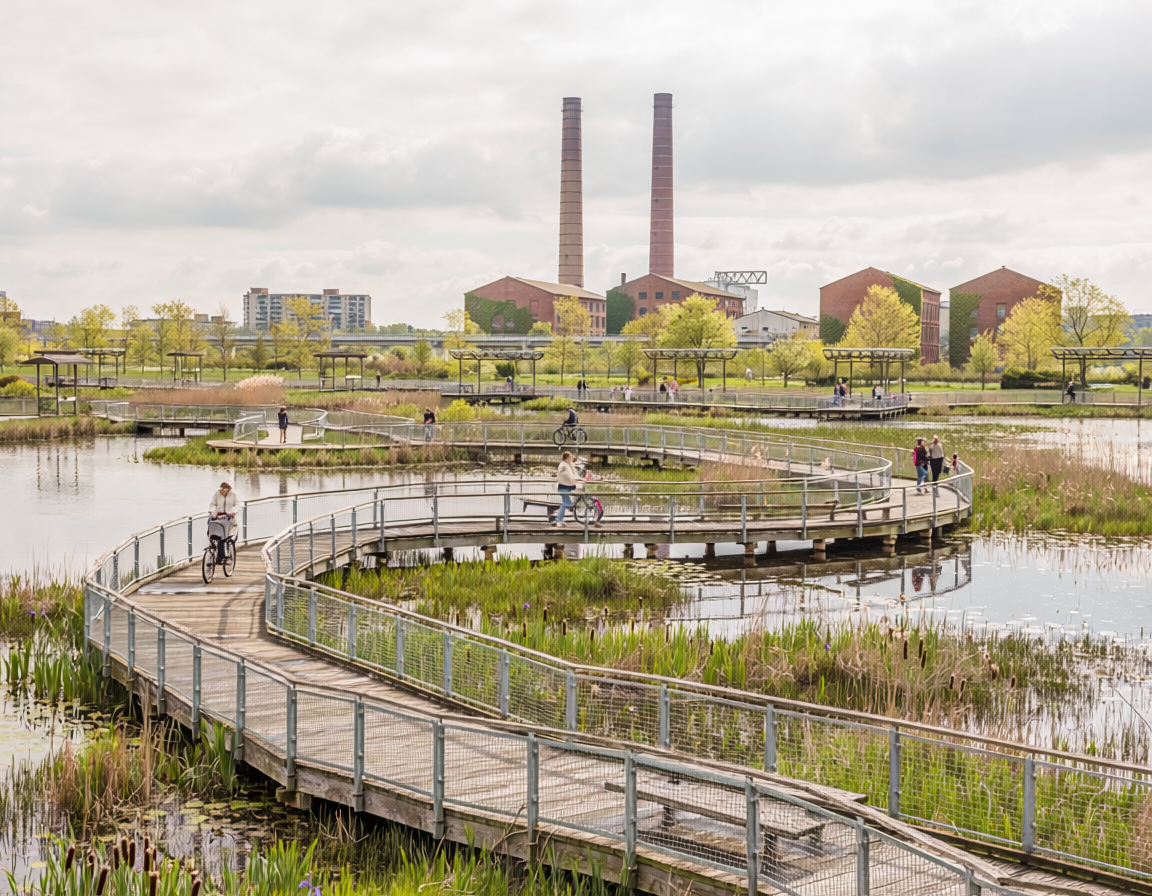
Natural restoration within modernized cities involves intentionally reintegrating ecological processes back into degraded urban areas. By transitioning from traditional, rigid
Natural Restoration Read Post »

Nature-based solutions represent an essential framework for addressing urgent environmental, societal, and economic challenges by working alongside natural processes rather
Nature-Based Solutions Read Post »

Accurate spatial data forms the bedrock of climate-resilient urban planning, allowing municipalities to identify critical intervention points before committing resources.

Establishing standardized metrics and evaluative dimensions allows urban planners to monitor the performance of climate adaptation frameworks over extended lifecycles.

Geographic Information Systems (GIS) serve as an essential framework for capturing, managing, and analyzing spatial data across global and localized
Geographic Information Systems (GIS) Read Post »
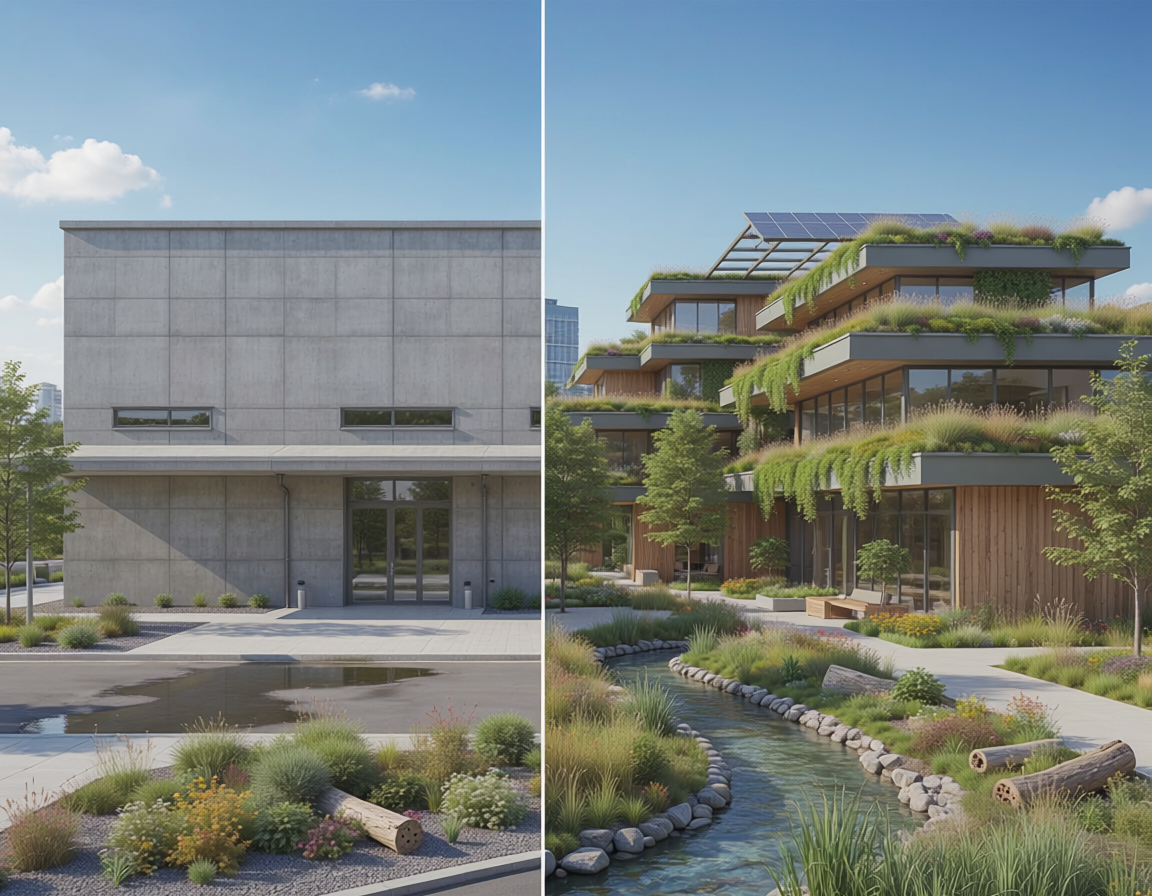
Integrating ecosystemic factors into market valuation redefines economic competitiveness as a reflection of long-term environmental and structural resilience. Rather than

Monitoring within urban ecosystems is transitioning from intermittent manual sampling to automated, real-time data networks. In the built environment, this

Tourism within the built environment represents a powerful driver of spatial transformation that deeply influences both urban and rural landscapes.

The integration of nature-based solutions into the built environment expands the potential for economic opportunities and green jobs across urban
Potential for Economic Opportunities and Green Jobs Read Post »