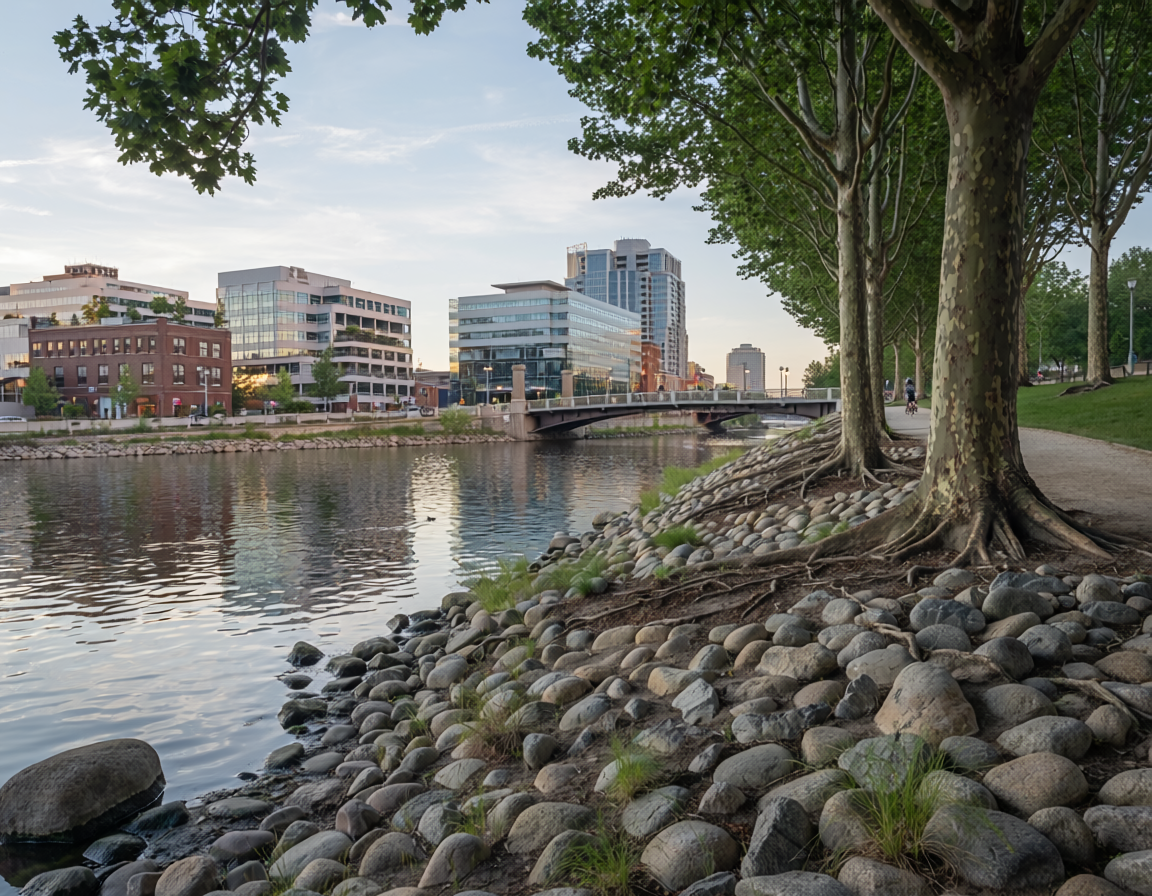
Natural restoration within modernized cities involves intentionally reintegrating ecological processes back into degraded urban areas. By transitioning from traditional, rigid gray infrastructure to dynamic green and blue networks, communities can dramatically improve local biodiversity and air quality. This targeted approach mitigates the intensifying impacts of the urban heat island effect while expanding accessible green spaces. Ultimately, restoring these natural relationships within cities establishes a resilient baseline for both environmental stability and human well-being.
Natural Restoration in the Built Environment: Methods and Ecosystemic Research
In the era of rapid climate variability and expanding urban footprints, the concept of “Natural Restoration” has evolved from preserving remote wilderness to retrofitting and managing ecological functions within the built environment. Rather than viewing cities as separate from ecological processes, modern urban planning utilizes Nature-based Solutions (NbS) to address systemic urban challenges. This methodology relies heavily on ecosystemic research to transform gray, engineered infrastructure into adaptive, living networks capable of mitigating environmental threats while maximizing societal co-benefits.
Core Methods in the Built Environment
Natural restoration within built spaces operates on a spectrum of intervention styles, ranging from modifying existing green infrastructure to engineering entirely new artificial ecosystems (O’Hogain & McCarton, 2018). Key methods deployed globally include:
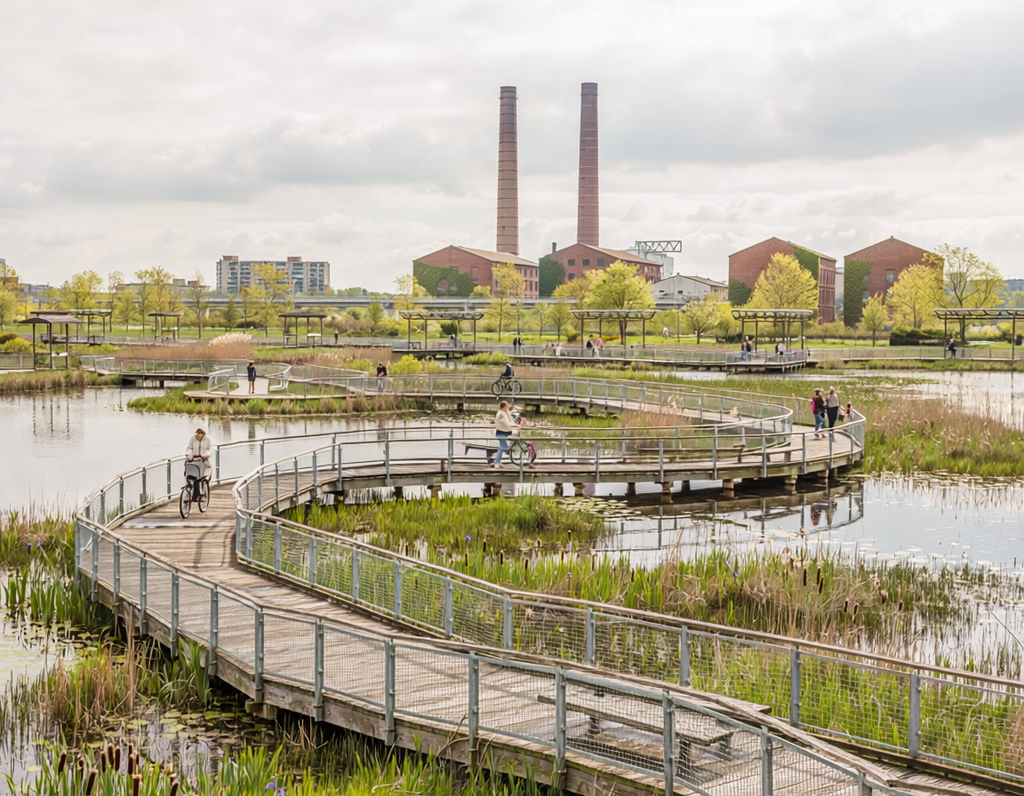
- Constructed Urban Wetlands: Re-engineering industrial brownfields or neglected public terrains into self-sustaining wetland systems. These installations perform automated stormwater management, naturally filter urban runoff, and significantly lower local temperatures through evapotranspiration.
- Green-Blue Retrofitting: Upgrading vertical and horizontal building surfaces by installing comprehensive green roofs, living walls, and rain gardens. These elements trap airborne particulate matter, dampen acoustic pollution, and retain rainwater before it overwhelms traditional municipal storm sewers.
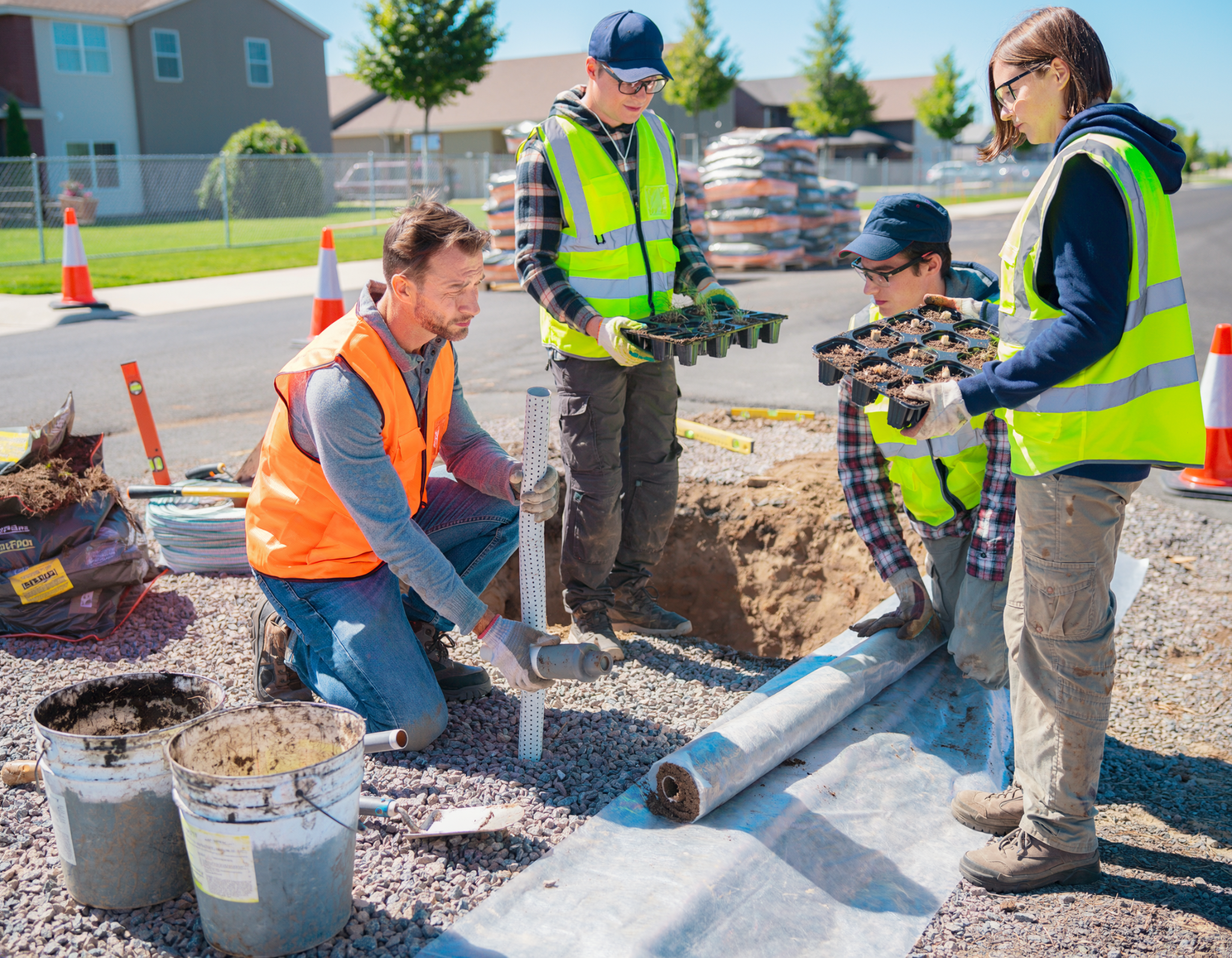
- Permeable Ecosystemic Design: Phasing out concrete surfaces in favor of bio-swales and porous substrates that mimic natural forest floors. These alterations safely allow groundwater replenishment while mitigating localized flash floods.
Ecosystemic Research and Digital Platforms
To transition nature-based innovations from experimental designs to mainstream infrastructure, standardizing data across diverse geographic regions is imperative. Knowledge hubs, notably the European Commission-backed Oppla.eu repository, serve as fundamental open-access toolkits. Platforms like Oppla aggregate case studies, crowdsourced toolsets, and peer-reviewed ecosystemic research to help urban practitioners identify scalable practices.
Ecosystemic research emphasizes that natural restoration succeeds only when targeted to its localized socio-ecological and technological context. Integrating emerging analytical systems like Artificial Intelligence, augmented predictive modeling, and real-time environmental sensors allows planners to precisely evaluate the structural functionality and microclimatic impacts of engineered ecosystems before real-world deployment.
Furthermore, transdisciplinary collaboration remains an essential pathway for success. Initiatives linking global research hubs explore the dynamic interplay among technological-engineered systems, ecological health, and critical social dimensions like environmental equity and public wellness. By tracking and sharing data through cross-regional platforms, the built environment shifts away from rigid, static structures toward highly adaptive, self-repairing urban metabolisms.
References
O’Hogain, S., & McCarton, L. (2018). Nature-Based Solutions. A Technology Portfolio of Nature Based Solutions, 1–9. Springer International Publishing. https://doi.org/10.1007/978-3-319-73281-7_1
Cited by: 180
O’Sullivan, F., Mell, I., & Clement, S. (2020). Novel Solutions or Rebranded Approaches: Evaluating the Use of Nature-Based Solutions (NBS) in Europe. Frontiers in Sustainable Cities, 2. Frontiers Media SA. https://doi.org/10.3389/frsc.2020.572527
Cited by: 107