Processes, Threats, & Impacts
Analyzing the pressures reshaping our ecosystems to engineer systemic countermeasures. We track the intersections of climate acceleration, industrial pollution, and human consumption patterns to quantify environmental stressors and build predictive models for long-term regional stability.
A.Climate and Energy
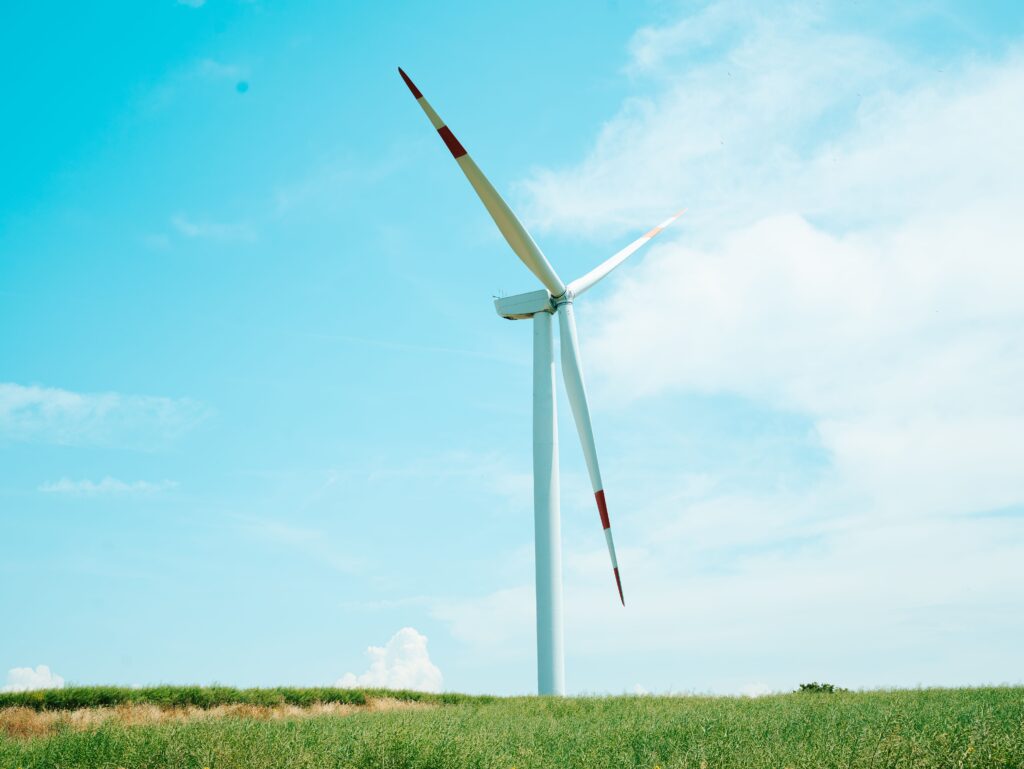
Climate disruption demands a rapid transition to low-carbon, adaptive systems. Our research monitors the local and global drivers of thermal stress while designing decentralized energy strategies that reduce regional vulnerabilities to extreme disruptions.
Quantifying regional temperature shifts, microclimate alterations, and greenhouse gas trajectories to project long-term ecological risks.
Modeling the spatial integration of solar, wind, and bio-energy systems to decouple regional economic development from fossil-fuel dependencies.
Modeling the spatial integration of solar, wind, and bio-energy systems to decouple regional economic development from fossil-fuel dependencies.
B. Pollution and Stressors
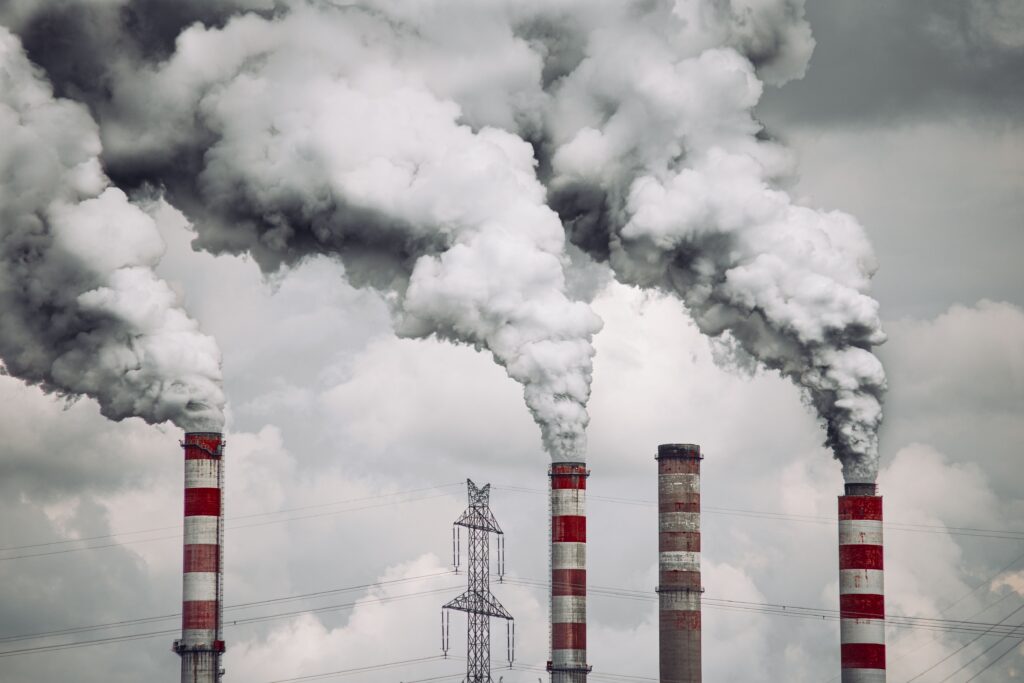
Environmental contaminants threaten both ecological viability and human health. We isolate and analyze chemical, atmospheric, and physical stressors to engineer targeted containment protocols and nature-based filtration systems.
Deploying sensor networks and spatial models to monitor particulate matter, track urban pollutant plumes, and guide mitigation designs.
Evaluating the systemic impacts of over-extraction on groundwater reserves and surface basins to establish sustainable ecological flow thresholds.
Assessing fuel load dynamics, changing weather patterns, and land vulnerabilities to design predictive risk models and landscape-scale firebreaks.
C. Human Activity Impacts
Anthropogenic development remains the primary driver of rapid ecological transformation. We map the physical footprint of modern industries to introduce circular closed-loops that mitigate resource depletion and prevent habitat fragmentation.
Auditing material flows and resource extractions to uncover systemic inefficiencies and transition manufacturing lines toward secondary raw materials.
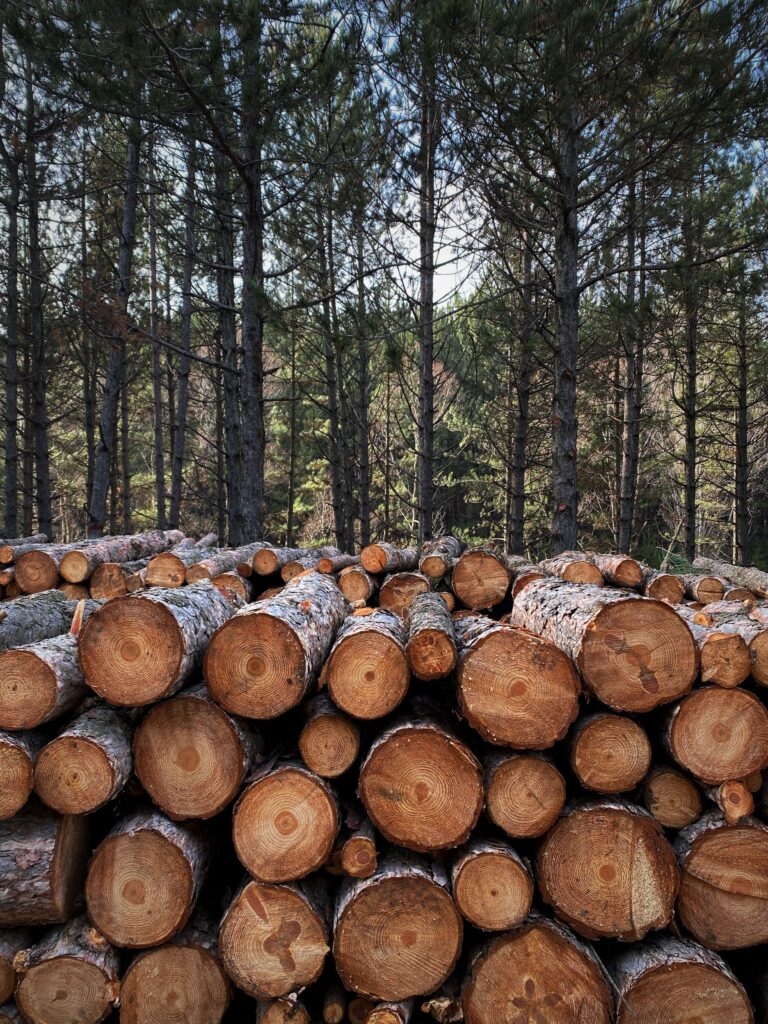
Tracking the conversion of natural forests, wetlands, and agricultural land into built environments to evaluate long-term carbon and biodiversity losses.
Measuring the externalized environmental footprint of local consumption, ensuring that domestic circular practices do not export ecological degradation elsewhere.
Identifying critical pollution hotspots, evaluating regional climate vulnerabilities, and auditing unsustainable extraction rates.
Creating comprehensive climate mitigation roadmaps, pollution containment strategies, and resilient resource allocation frameworks.
Deploying regional monitoring arrays, piloting clean energy installations, and leading ecosystem-scale remediation projects.
Continually measuring ambient air and water indicators, tracking carbon footprint reductions, and assessing the efficacy of risk-mitigation measures.
Contact us to discover more about our innovative initiatives.