Research Methods
Showcasing Interconnected Solutions in Circular Planning, Digitalization, and Natural Capital Restoration.
A.Environmental Governance & Policy Interventions
Developing the regulatory frameworks and municipal strategies needed to drive urban systemic change. This focus area explores local zoning laws, circular public procurement policies, and extended producer responsibility (EPR) schemes that incentivize businesses and citizens to eliminate waste, promote reuse, and support regenerative urban design.

B. Economic Valuation & Finance
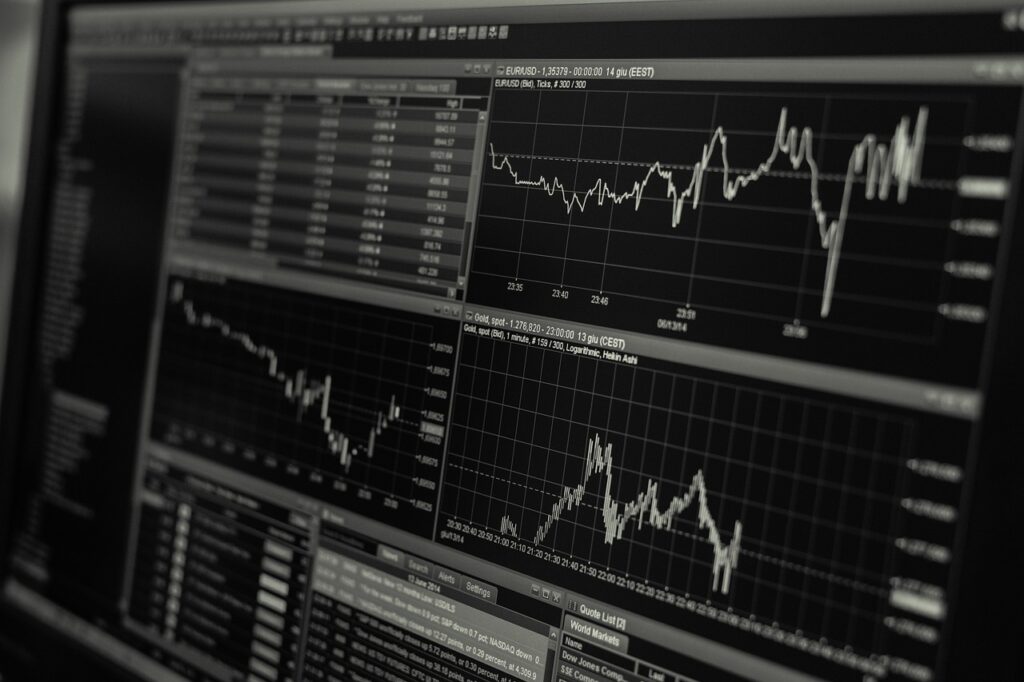
Unlocking financial mechanisms and business models to fund the circular urban transition. Research centers on valuing natural capital, assessing the long-term cost-benefits of circular infrastructure, and designing green municipal bonds. It also explores innovative urban revenue models, such as product-as-a-service (PaaS) and sharing economies, to make circularity economically viable.
C. Analytical & Scientific Methods
Utilizing data-driven metrics and technical analysis to track and optimize resource flows through the city. This area leverages Material Flow Analysis (MFA), Life Cycle Assessments (LCA), and advanced chemical or biological testing to evaluate urban metabolism. By quantifying inputs and outputs, we can scientifically validate the quality and safety of secondary raw materials recovered from urban waste streams.

D. Systems & Overarching Themes
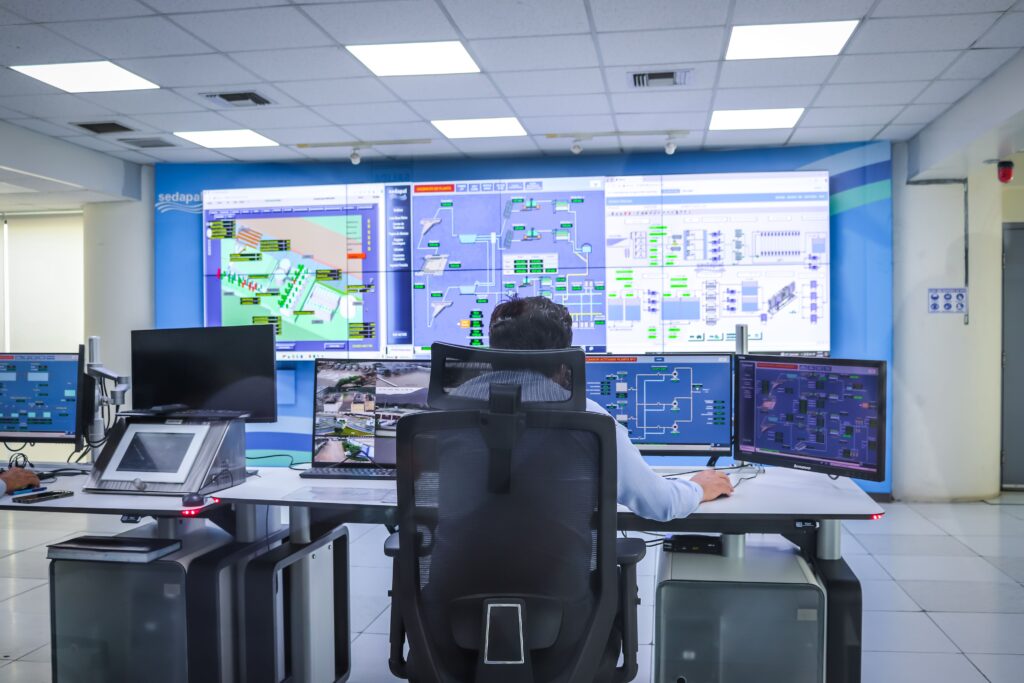
Mapping the holistic, interconnected nature of urban ecosystems to ensure long-term resilience. This theme integrates digital twins, IoT tracking, and cross-sector industrial symbiosis to view the city as a living system. It bridges the gaps between separate infrastructure networks—such as food, water, energy, and the built environment—to foster collaborative, city-wide circular solutions.
Research directions
Needs Assessment
Conducting a thorough analysis to understand the unique needs of the community.
Planning
Structuring testing methodologies, designing simulation frameworks, and establishing data exchange protocols.
Implementation
Launching LCA models, piloting symbiosis tracking, and conducting impact workshops.
Monitoring & Evaluation
Quantifying material safety, verifying financial returns, and evaluating municipal policy compliance.
Contact us to discover more about our innovative initiatives.