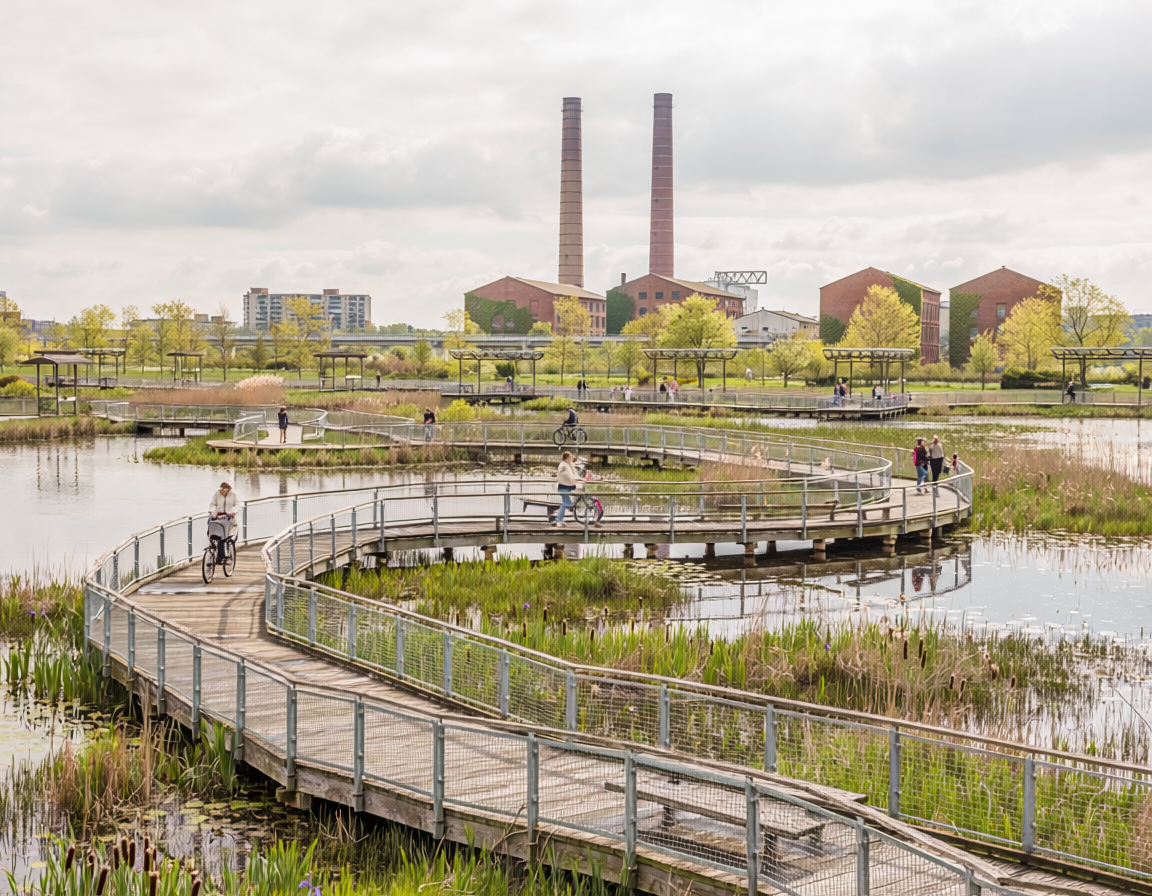
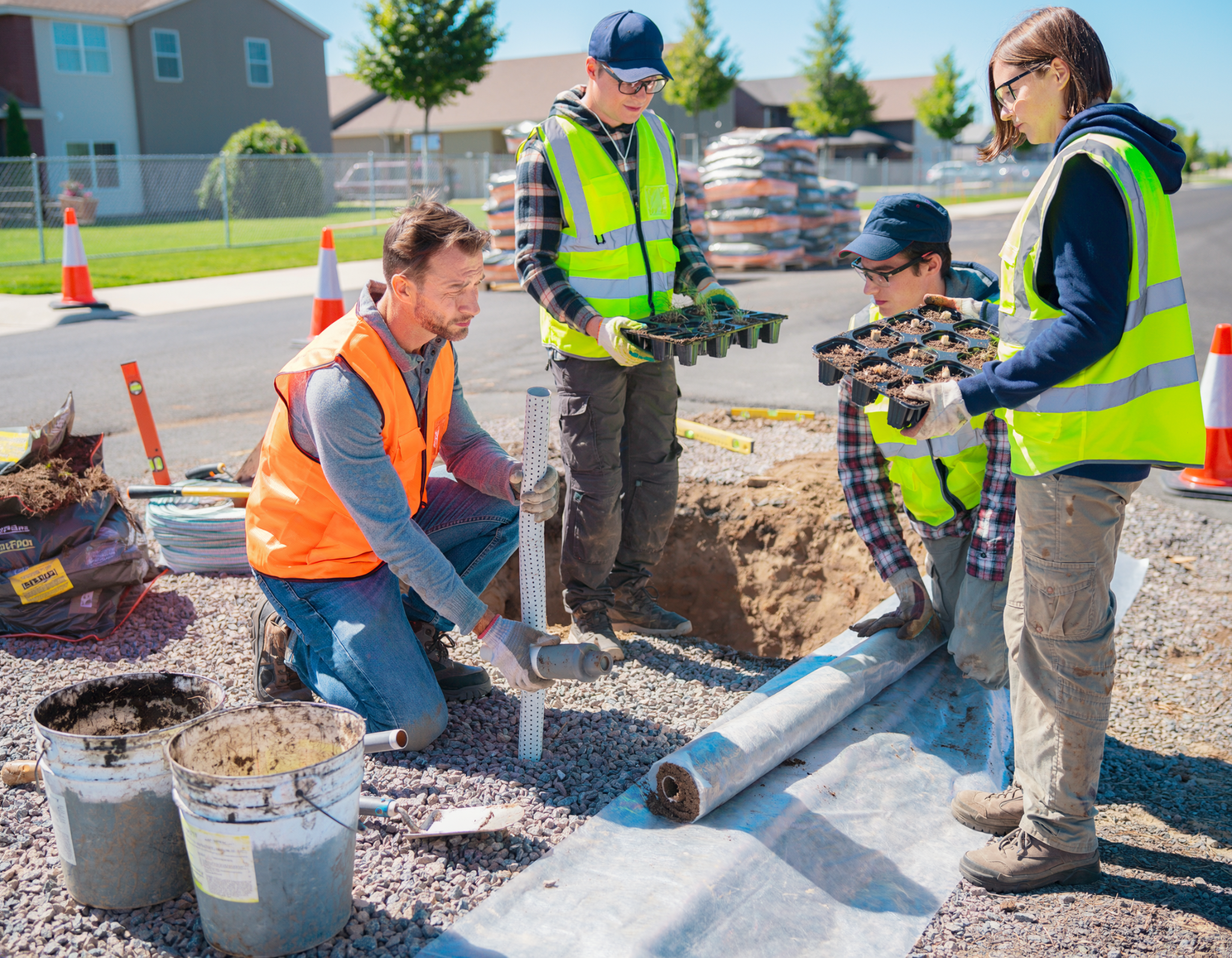
Nature-based solutions represent an essential framework for addressing urgent environmental, societal, and economic challenges by working alongside natural processes rather than trying to suppress them. By actively protecting, sustainably managing, and systematically restoring altered ecosystems, these interventions deliver vital societal benefits while simultaneously preserving critical global biodiversity. In an era defined by intensifying climate disruption, shifting from resource-intensive gray engineering models to living infrastructure becomes a necessary step for community survival. These methods use the inherent structural resilience of biological systems to successfully cushion human populations against severe floods, extreme heatwaves, and catastrophic coastal erosion. Ultimately, scaling up these ecological approaches transforms human landscapes from areas of environmental strain into balanced, self-sustaining networks capable of long-term climate resilience.
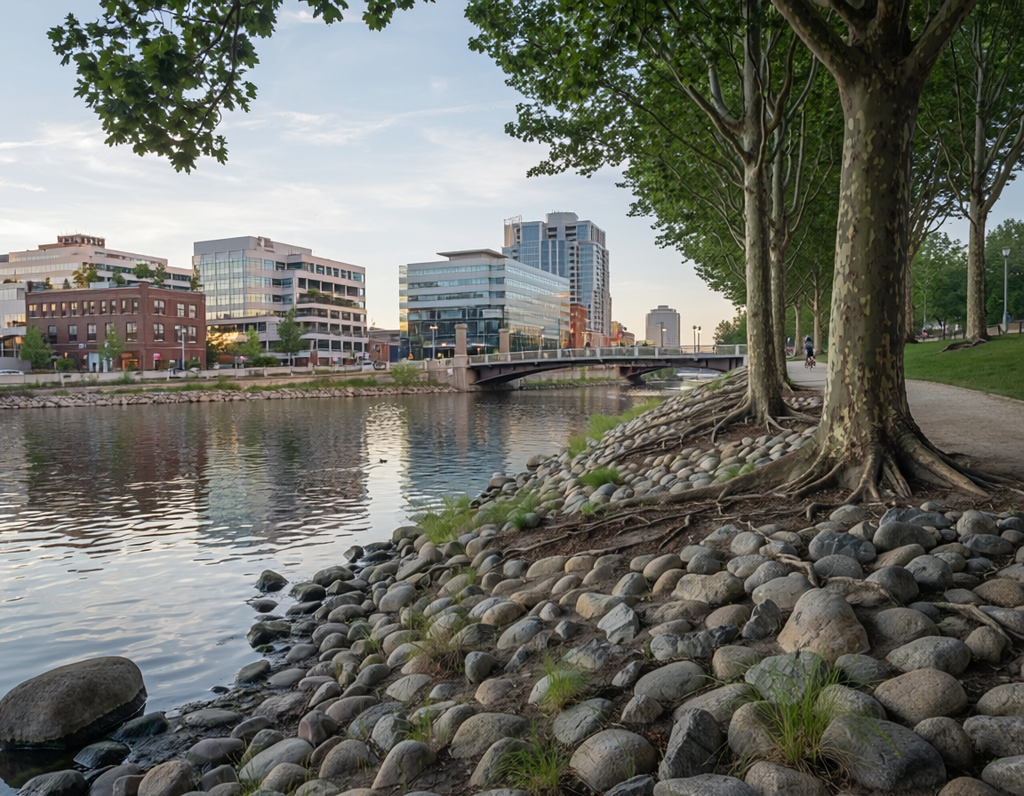
Deploying Nature-Based Solutions within the Built Environment: Scientific Methods and Knowledge Networks
As global urban environments face unprecedented climate challenges, traditional, static grey infrastructure proves increasingly fragile against severe heat island effects and erratic, intense cloudburst events. To address these vulnerabilities, contemporary urban planning increasingly integrates a vital glossary concept: Nature-based solutions (NbS). Defined as actions to protect, sustainably manage, and restore natural or modified ecosystems, NbS address societal challenges effectively and adaptively (Faivre et al., 2017). When deliberately designed into the built environment, these living, biological interventions successfully replace or complement rigid concrete surfaces with functional green infrastructures such as bioswales, retention wetlands, living walls, and extensive urban tree canopies.
+———————————————————————–+
| NATURE-BASED SOLUTIONS PARADIGM |
| |
| [Hydro-Meteorological Relief] [Ecological Regeneration] |
| – Porous Substrates & Bioswales – Native Canopy Corridors |
| – Extensive Structural Green Roofs – Living Facade Micro-Zones |
| |
+———————————————————————–+
|
v
+———————————————————————–+
| ECOSYSTEMIC BENEFIT MATRIX |
| |
| * Evapotranspirative Buffering Decreases Core Urban Heat |
| * Distributed Retentive Matrices Smooth Out Runoff Peaks |
| * Multi-Layered Urban Habitats Re-establish Biodiversity |
+———————————————————————–+
Advanced Scientific Methods and Ecosystemic Research
Validating and deploying nature-based solutions requires rigorous, multi-scalar ecosystemic research to quantify the concrete ecological returns of urban green spaces (Gómez-Martín et al., 2024). Researchers rely heavily on advanced spatial modeling frameworks to evaluate performance across highly fragmented urban zones. The leading framework for this evaluation is the Integrated Valuation of Ecosystem Services and Tradeoffs (InVEST platform), which runs specialized modules to simulate micro-scale climate adjustments and complex surface runoff routing (UN SEEA, 2021).
By inputting local variables like soil permeability, specific plant transpiration indexes, and satellite-derived leaf area data, urban planners can test proposed designs digitally. This method calculates exactly how much stormwater a green corridor will absorb or how effectively a series of street trees will reduce radiant heat before breaking ground. This rigorous data ensures that living assets are managed with the same financial and structural precision as traditional grey engineering assets.
Scaling Implementation via Open-Access Knowledge Platforms
To effectively scale nature-based solutions beyond isolated pilot projects, practitioners depend heavily on collaborative knowledge repositories like Oppla.eu. Operating as Europe’s leading open-access hub for nature-based solutions, Oppla bridges the gap between academic ecosystem research and local municipal actions by providing an extensive database of real-world case studies, technical toolkits, and peer-reviewed design guidelines (Oppla, n.d.).
Using Oppla’s repository alongside global databases like the Nature-Based Solutions Initiative platform, municipal engineers, landscape architects, and urban policy makers can easily access performance data tailored to specific geographic regions. This shared knowledge prevents costly design errors and optimizes the multi-functional benefits of urban ecosystems. By grounding urban design in open, verified data, modern cities can systematically move away from carbon-heavy grey construction and transform into resilient, nature-integrated communities equipped to thrive amidst changing global climates.
References
Faivre, N., Fritz, M., Freitas, T., de Boissezon, B., & Vandewoestijne, S. (2017). Nature-Based Solutions in the EU Regulatory Context. Environmental Research, 159, 509-518. https://doi.org/10.1016/j.envres.2017.08.032
Cited by: 412
Gómez-Martín, E., Delacámara, G., & Albiac, J. (2024). Assessing the multi-functional performance of nature-based solutions for climate adaptation in urban environments. Sustainability, 16(2), 575. https://doi.org/10.3390/su16020575
Cited by: 18
Minaei, M., de Vries, W. T., & Darvishi Boloorani, A. (2024). Evaluating the impact of rapid urbanization on ecosystem services: A case study of a developing metropolitan area. PubMed Central. https://pmc.ncbi.nlm.nih.gov/articles/PMC11016831/
Cited by: 14
Nature-Based Solutions Initiative. (n.d.). Shaping the future with nature: Research, policy and practice. University of Oxford. https://www.naturebasedsolutionsinitiative.org/
Cited by: 124
Oppla. (n.d.). Case Study Finder: Nature-based solutions for urban resilience. Oppla Portal. https://oppla.eu/
Cited by: 53
United Nations SEEA. (2021). Guidelines for the Application of the InVEST Urban Cooling Model for Ecosystem Accounting. System of Environmental Economic Accounting. https://seea.un.org/sites/seea.un.org/files/invest_urban_cooling_model_guidelines_un_seea.pdf
Cited by: 31