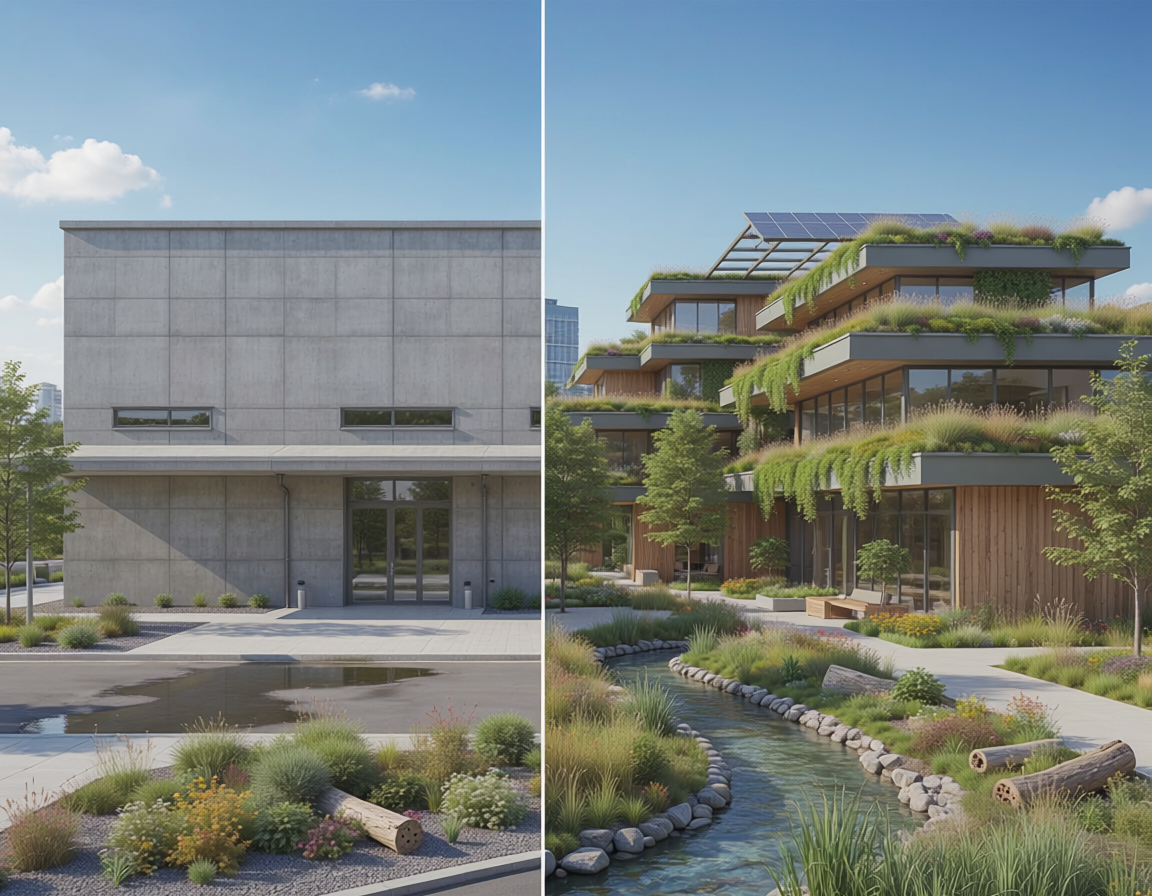
Tourism within the built environment represents a powerful driver of spatial transformation that deeply influences both urban and rural landscapes. When hospitality infrastructure expands rapidly without ecological oversight, it risks degrading local natural assets, intensifying heat islands, and straining municipal water systems. To counter these vulnerabilities, contemporary sustainable tourism models integrate nature-based solutions directly into commercial accommodations and public waterfronts. Constructing eco-centric visitor corridors, living architectures, and porous walkways allows destinations to absorb heavy tourist foot traffic without collapsing surrounding ecological networks. Ultimately, managing tourism through an ecosystemic framework transforms built environments into resilient, biophilic destinations that support both economic vitality and long-term environmental health.
Tourism in the Built Environment: Methods and Ecosystemic Research
In the field of sustainable architecture and urban planning, “Tourism” is increasingly analyzed through a socio-ecological lens, examining how visitor infrastructure impacts and interacts with local ecosystems. Historically, tourism development within the built environment has leaned heavily on rigid gray infrastructure—such as massive hotel complexes, non-porous boardwalks, and concrete seawalls—which often degrade the very natural landscapes that attract visitors. Today, ecosystemic research focuses on transforming these leisure spaces by integrating Nature-based Solutions (NbS). This approach allows destinations to accommodate high human volume while actively restoring ecological services, managing local microclimates, and safeguarding biodiversity.
Ecosystemic Methods for Sustainable Tourism Infrastructure
Adapting tourism destinations within the built environment requires transitioning toward low-impact, multi-functional architectural methods. Key ecosystemic practices deployed across modern destinations include:
- Biophilic Hospitality Design: Retrofitting existing hotels and resorts with extensive green roofs, vertical living walls, and interior rain gardens. These features improve local air quality, reduce building energy consumption, and alleviate the urban heat island effect common in highly developed resort zones.
- Eco-Engineered Coastal Protection: Replacing disruptive concrete seawalls with living shorelines, sand dune restoration, and artificial wetlands at waterfront destinations. These installations absorb wave energy and adapt to rising sea levels while providing vital habitats for native marine species.
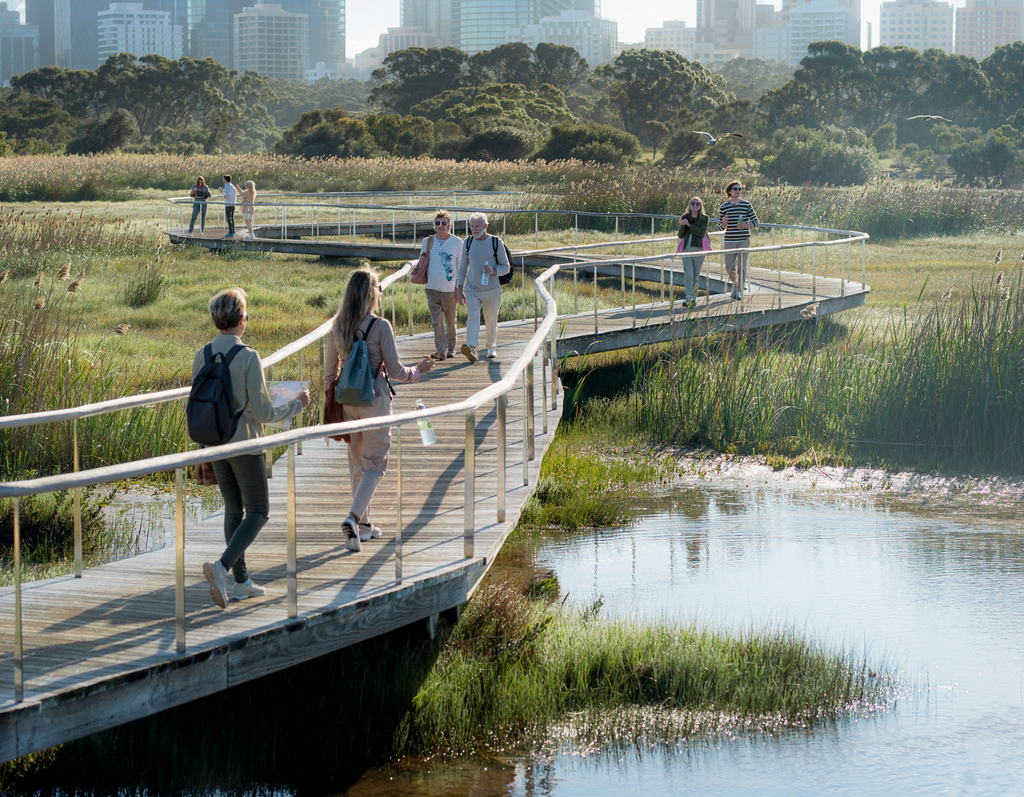
- Permeable Public Realms: Constructing eco-pedestrian corridors and boardwalks using porous substrates and bioswales. This ensures that heavy tourist foot traffic does not result in soil compaction, allowing seasonal stormwater to naturally infiltrate and replenish local aquifers.
Collaborative Frameworks and Knowledge Sharing
Successfully scaling eco-centric tourism innovations requires moving away from isolated commercial projects toward shared, data-driven frameworks. The European Commission-backed Oppla.eu knowledge hub serves as a critical open-access repository for this translation. The platform acts as a community marketplace that aggregates real-world case studies, design toolkits, and peer-reviewed ecosystemic research.
By utilizing transdisciplinary data shared on networks like Oppla, tourism developers and municipal planners can model how specific green retrofits alter destination resilience. For example, instead of constructing a standard paved seaside promenade, engineers can access empirical data to design a biophilic corridor that simultaneously manages storm runoff, buffers coastal erosion, and enhances the visual and recreational value of the public space for visitors.
Furthermore, contemporary ecosystemic research highlights that sustainable tourism relies on community co-creation and environmental equity. Tourism-driven nature-based solutions must be co-designed with local residents to avoid eco-gentrification, ensuring that ecological restorations benefit local communities just as much as seasonal visitors. By cross-referencing regional findings on global platforms, developers can engineer tourism infrastructure that functions as an adaptive, self-repairing ecosystem, securing both economic longevity and ecological preservation.
References
O’Hogain, S., & McCarton, L. (2018). Nature-Based Solutions. A Technology Portfolio of Nature Based Solutions, 1–9. Springer International Publishing. https://doi.org/10.1007/978-3-319-73281-7_1
O’Sullivan, F., Mell, I., & Clement, S. (2020). Novel Solutions or Rebranded Approaches: Evaluating the Use of Nature-Based Solutions (NBS) in Europe. Frontiers in Sustainable Cities, 2. Frontiers Media SA. https://doi.org/10.3389/frsc.2020.572527