
Geographic Information Systems (GIS)
Geographic Information Systems (GIS) serve as an essential framework for capturing, managing, and analyzing spatial data across global and localized
Geographic Information Systems (GIS) Read Post »
Geographic Information Systems (GIS) serve as an essential framework for capturing, managing, and analyzing spatial data across global and localized
Geographic Information Systems (GIS) Read Post »

Integrating ecosystemic factors into market valuation redefines economic competitiveness as a reflection of long-term environmental and structural resilience. Rather than

Monitoring within urban ecosystems is transitioning from intermittent manual sampling to automated, real-time data networks. In the built environment, this

Tourism within the built environment represents a powerful driver of spatial transformation that deeply influences both urban and rural landscapes.
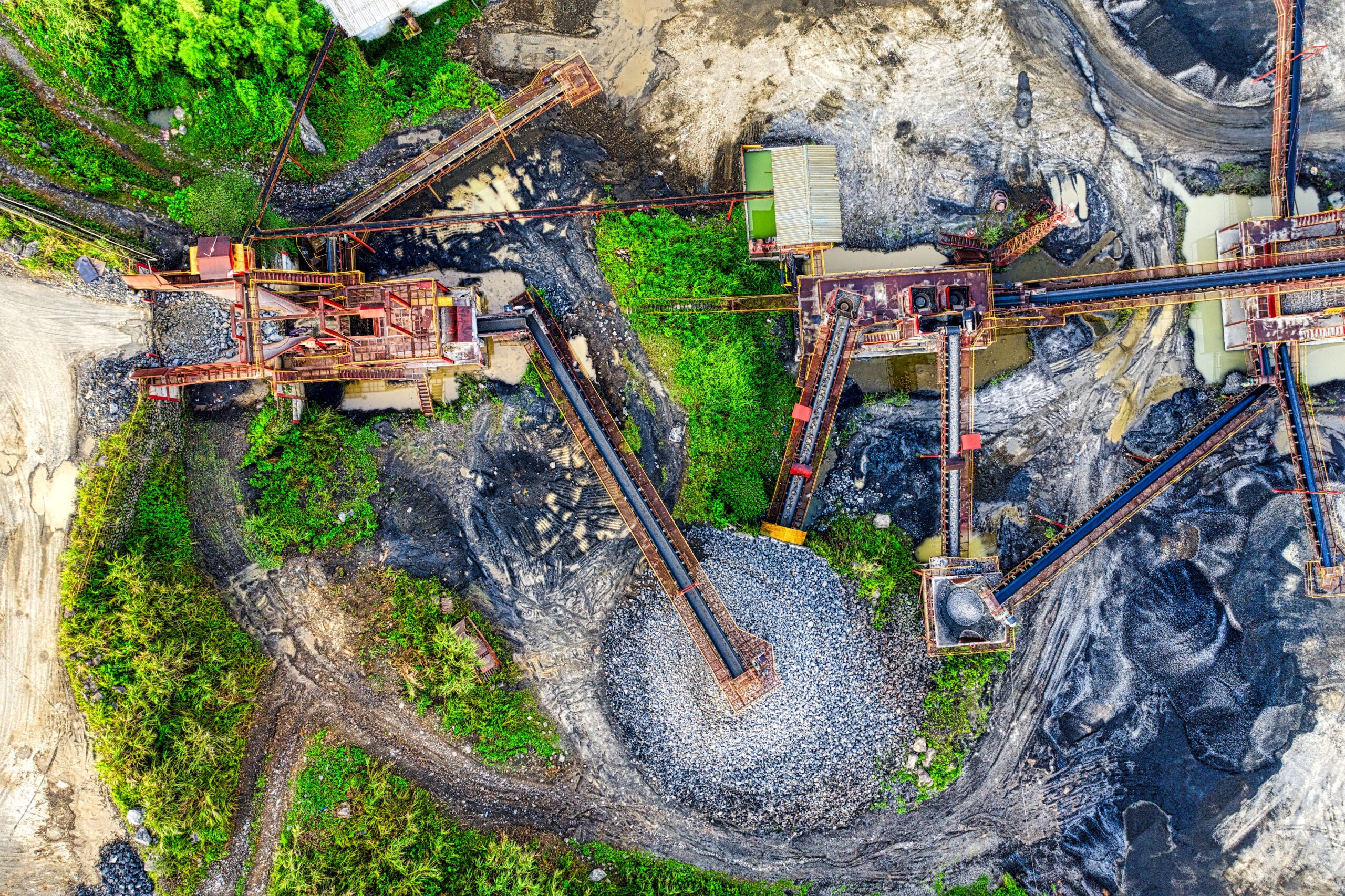
Global material extraction has more than tripled since 1970, reaching over 100 billion tonnes annually. This linear trajectory—characterized by raw
Resource consumption Read Post »

The systemic risk of global warming stems from a structural failure of market dynamics: the unpriced negative externality of anthropogenic

Climate resilience is the capacity of social, economic, and environmental systems to withstand, respond to, and recover from climate-related shocks
Climate Resilience in the Built Environment: Ecosystemic Methods and Knowledge Platforms Read Post »

Climate Resilience in the Built Environment: Ecosystemic Methods and Knowledge Platforms Climate resilience is the capacity of social, economic, and
Climate Resilience in the Built Environment Read Post »

Sustainable development Sustainable development establishes a framework that reconciles human progress with ecological balance. Within modern urban areas, it shifts
Sustainable development Read Post »

Bio-link value The bio-link value represents a quantitative metric used to assess the ecological connectivity and functional strength of biological