Sustainable development
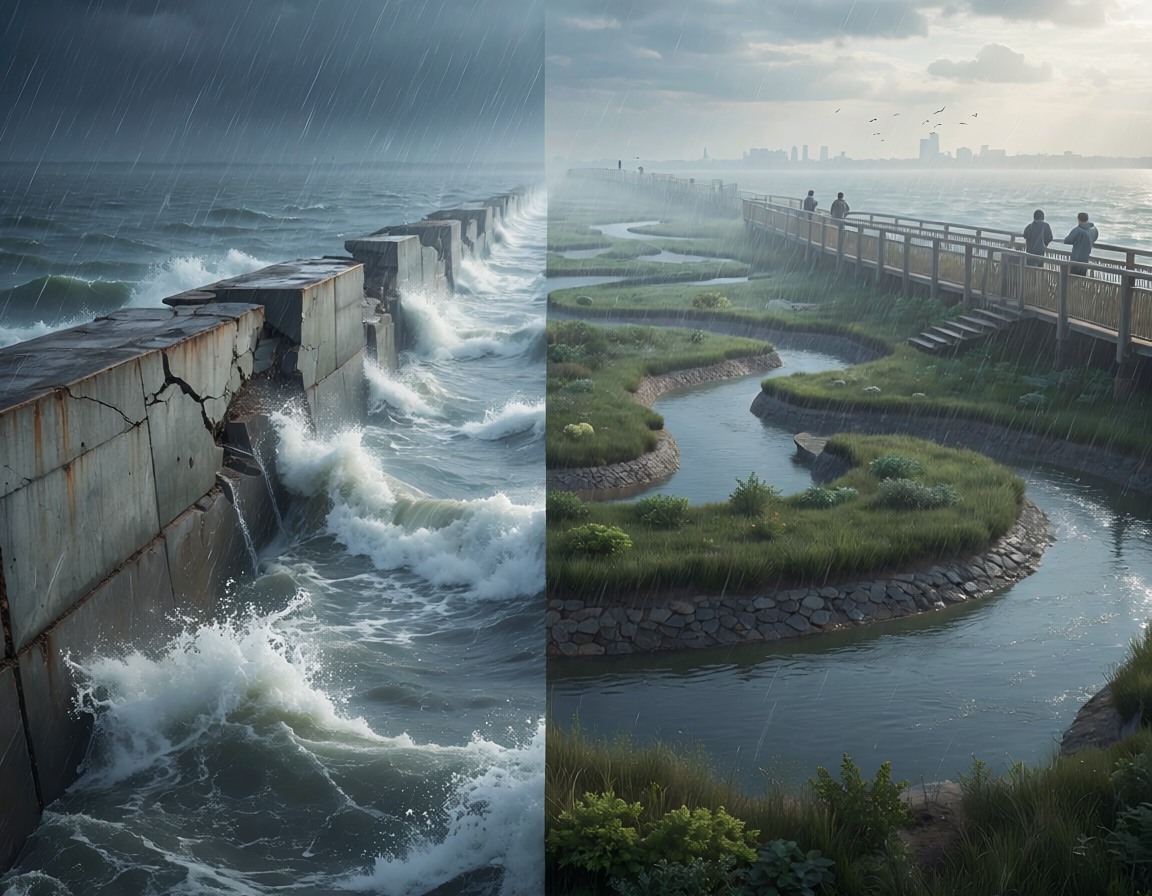
Sustainable development establishes a framework that reconciles human progress with ecological balance.
Within modern urban areas, it shifts design metrics toward low-carbon and resilient building strategies.
Adopting a systemic perspective ensures that grey infrastructure seamlessly coexists with biological networks.
This methodology transforms raw materials and space into long-term assets that generate lasting value.
Ultimately, true developmental sustainability requires embedding natural solutions within municipal growth policies.
Advancing Sustainable Development through Urban Ecosystemic Integration
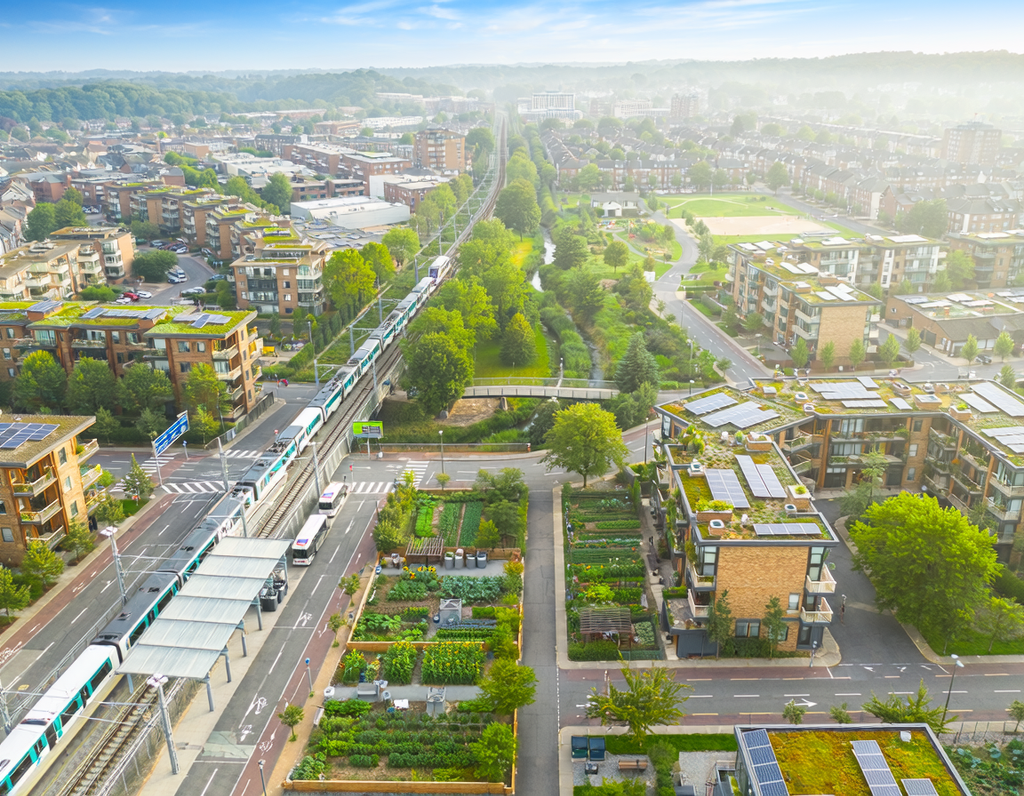
In the contemporary study of the built environment, sustainable development has evolved from a conceptual ideal into an operational requirement. Densely populated cities account for approximately 70% of global carbon dioxide emissions and three-quarters of resource consumption, placing a tremendous strain on planetary systems. Moving beyond traditional “do-no-harm” paradigms, contemporary sustainable development emphasizes regenerative design—an approach where structural expansions actively repair, restore, and support local ecosystems. This paradigm shift requires sophisticated ecosystemic research methods that view urban layouts as dynamic socio-ecological complexes where built structures and living networks are co-dependent.
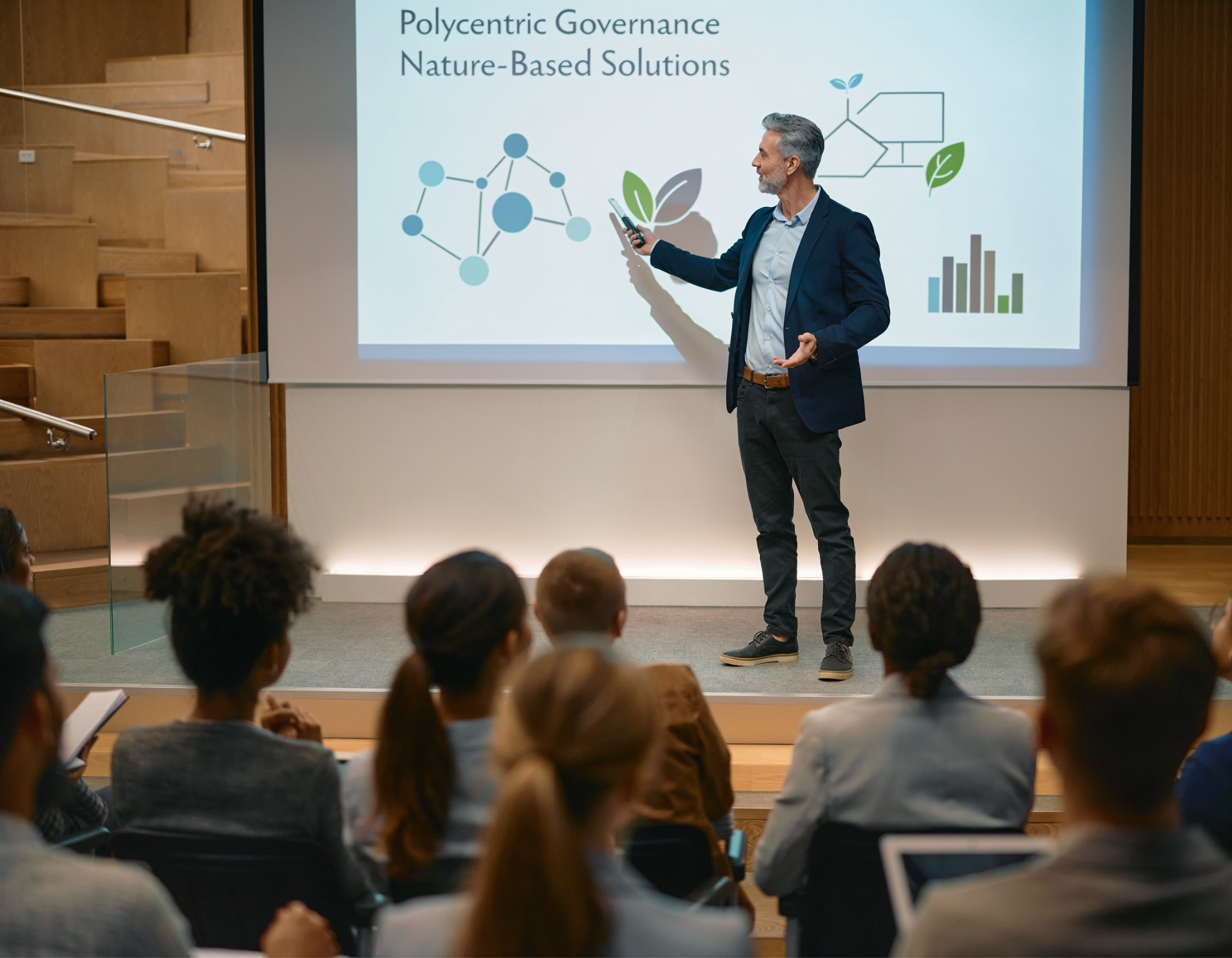
To seamlessly embed sustainability into the physical fabric of expanding municipalities, planners rely heavily on Nature-based Solutions (NbS). These strategies deploy structural applications like living facades, bioswales, and urban micro-forests to achieve multi-functional benefits. For instance, according to recent findings on nature-based urban regeneration, integrating green infrastructure effectively mitigates the urban heat island effect, improves local biodiversity, and lowers building cooling loads simultaneously. By replacing single-purpose grey engineering with multi-functional nature-positive frameworks, municipalities can achieve significant cost savings, with some natural interventions operating up to 50% more cost-effectively than standard grey services.
Standardizing these frameworks requires robust knowledge-sharing environments that host empirical data across diverse geopolitical regions. Collaborative hubs like Oppla.eu serve as vital spaces for this transition, cataloging thousands of successful case studies and technical papers. These platforms help bridge the gap between academic research and local municipal execution, offering accessible guidelines on how to modify existing built ecosystems or create highly functional new ones. Through these open-source tools, urban stakeholders can track how strategic green interventions influence specific societal targets, such as local air quality, human health, and stormwater regulation.
Evaluating the absolute efficacy of these solutions requires comprehensive, stepwise methodological frameworks. Urban authorities frequently adopt structured methodologies, such as the comprehensive INTERLACE urban transformation guidelines, to collaboratively design, monitor, and adapt tailored assessment profiles that respect local contexts. These agile assessment methods enable researchers to assess the microclimate, social equity, and financial performance of an intervention across its entire lifecycle. Applying these structured monitoring tools prevents fragmented governance and ensures that nature-based strategies align completely with long-term climate adaptation metrics.
Furthermore, scaling these models into mainstream construction requires an alignment with innovative financial instruments and circular economic principles. As highlighted by global financial assessments on urban investment primers, incorporating green envelopes and sustainable urban drainage systems not only lowers physical disaster risks but also enhances long-term property valuations, creating highly attractive pathways for private green investments. By embedding these rigorous ecosystemic standards directly into municipal zoning policies and building codes, the future built environment can shift toward a truly resilient, circular development path that protects human well-being and preserves global biodiversity.
References
- MDPI Review Editors. (2026). Nature-Based Solutions in Urban Regeneration: A Review of Methods, Governance, and Future Directions. Current Urban Studies, 10(3), 130. MDPI Open Access
- Potschin, M., & Haines-Young, R. (2016). Nature-Based Solutions. Oppla OpenNESS Synthesis Paper. Oppla Document Repository
- INTERLACE Project Consortium. (2024). Planning, Designing, and Monitoring of Nature-based Solutions: guidelines to urban transformations. EU INTERLACE Technical Guide. Oppla Frameworks
- United Nations Environment Programme Finance Initiative (UNEP FI). (2023). Primer 6: Nature-based Solutions in Urban Areas. UNEP FI Reports. UNEP Portal