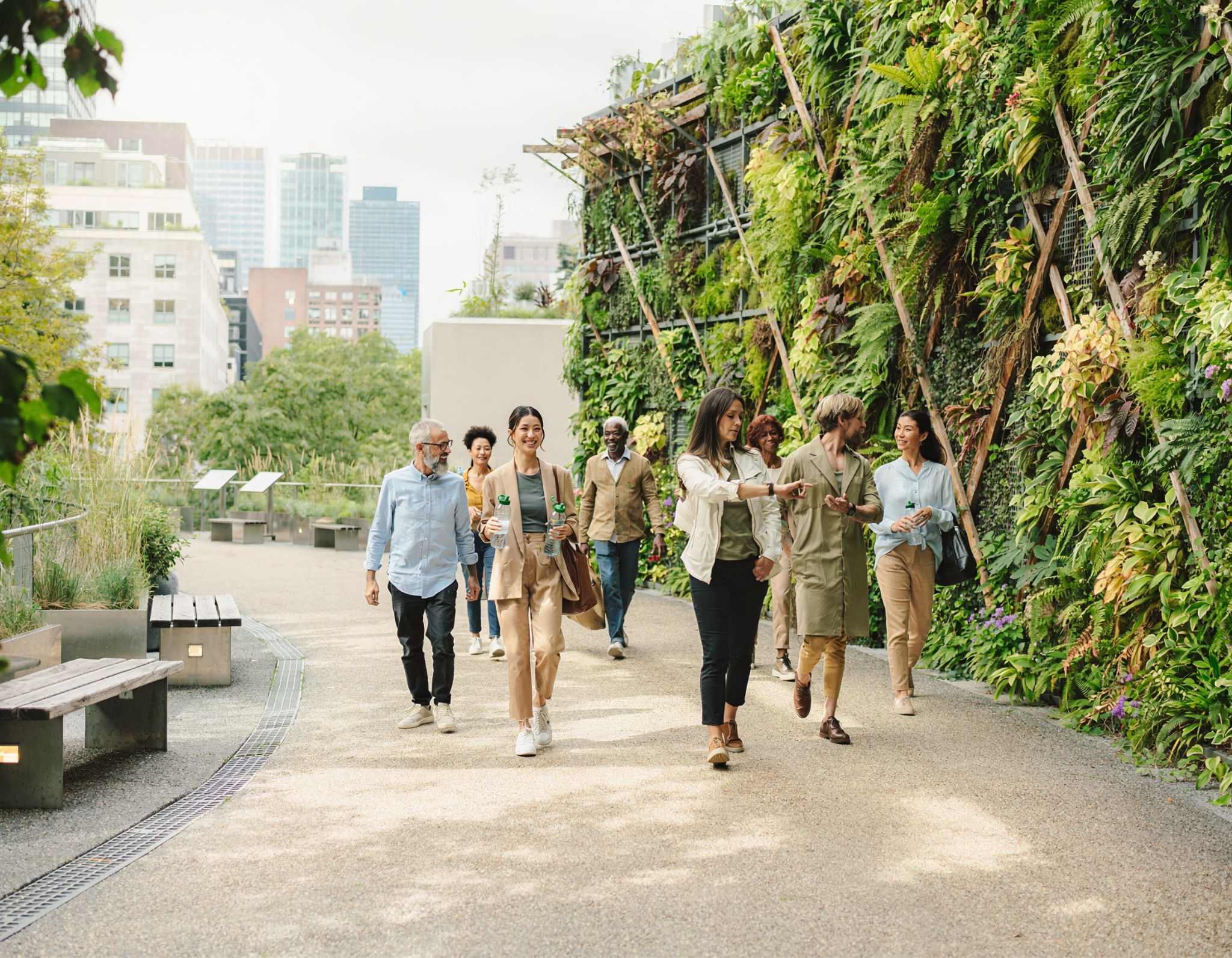
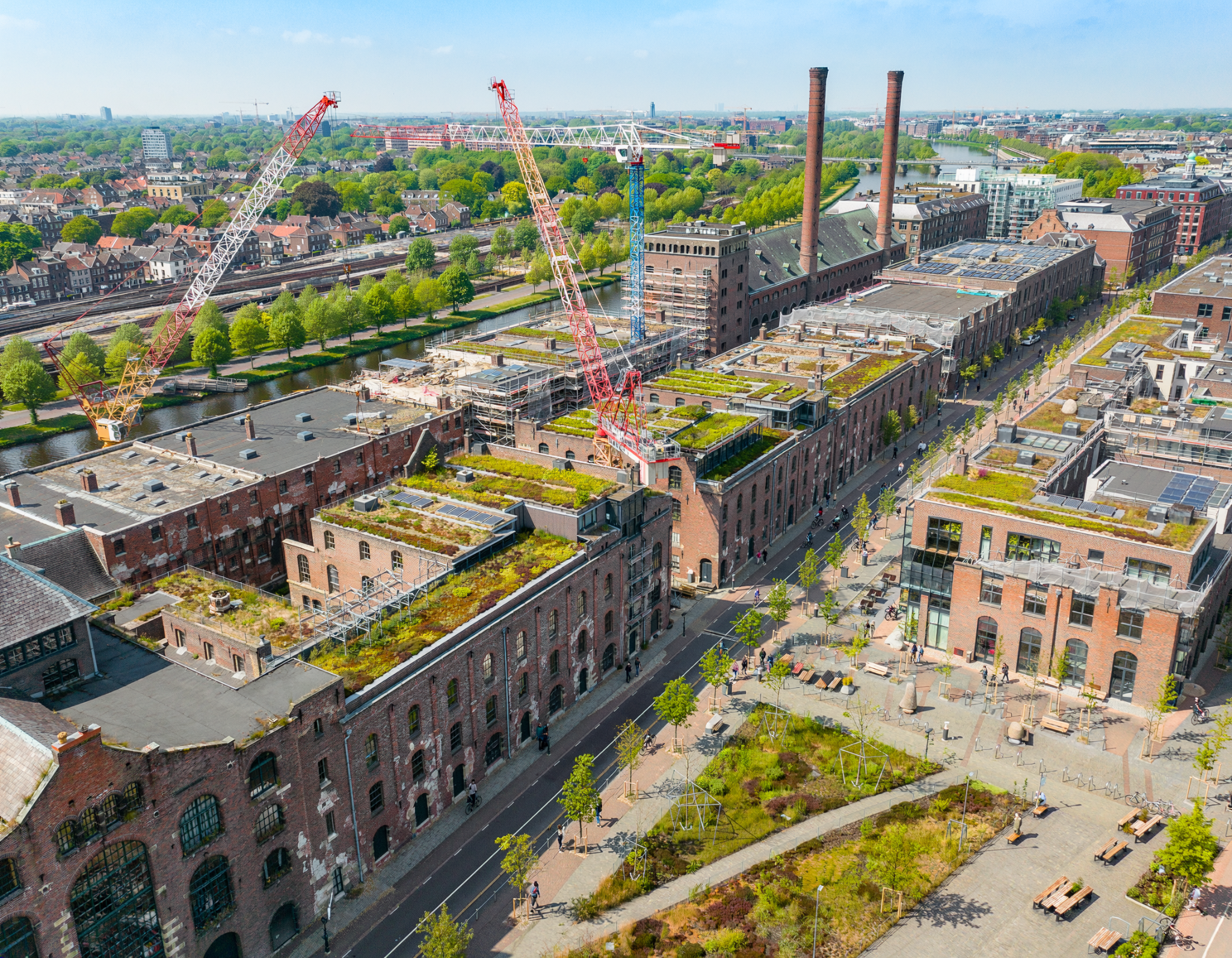
Urban planning serves as the strategic synthesis of spatial organization, infrastructure engineering, and environmental stewardship across human settlements. Historically focused on economic growth and physical expansion, modern urban planning increasingly prioritizes ecological integration and climate resilience. By organizing land use to reduce sprawl, planners safeguard natural biomes and optimize resource allocation. Integrating green infrastructure directly into spatial master plans mitigates environmental hazards while enhancing socio-ecological well-being. Ultimately, sustainable urban planning transforms built environments from drivers of environmental degradation into adaptive, nature-based systems.

Modern urban planning governs the physical, economic, and social development of cities, shaping how land is allocated, infrastructure is deployed, and natural resources are managed. Within the built environment, contemporary planning paradigms have shifted from traditional grey-infrastructure expansion toward integrated, social-ecological-technological systems (SETS). Rather than viewing cities as separate from natural ecosystems, ecosystemic urban planning embeds biological processes directly into zoning policies and spatial master plans. This approach ensures that urban density coexists with functional blue-green networks, transforming human settlements into resilient landscapes capable of absorbing climate shocks, mitigating urban heat island effects, and supporting biodiversity.
Operationalizing ecosystemic urban planning requires interdisciplinary research methods that evaluate spatial patterns and environmental performance. Planners and spatial analysts utilize Geographic Information Systems (GIS), microclimate simulation, and remote sensing to map ecosystem service delivery across urban gradients. Through tools like Multi-Criteria Decision Analysis (MCDA) and spatial optimization algorithms, practitioners evaluate trade-offs between densification and open green space preservation. Furthermore, transdisciplinary co-design methods engage local communities, municipal authorities, and engineers in planning hybrid solutions—such as sustainable drainage systems (SuDS), urban wetlands, and bioswales—ensuring that physical interventions reflect local socio-economic realities and ecological needs.
Central to standardizing nature-based spatial planning across Europe is open knowledge sharing, facilitated by platforms such as Oppla. As Europe’s main repository for nature-based solutions (NBS) and natural capital, Oppla aggregates empirical case studies, spatial decision-support tools, and policy frameworks derived from major Horizon Europe research initiatives. Urban planners leverage Oppla to access evidence-based guidance on integrating nature-based solutions into municipal master plans. The platform bridges the gap between academic research and urban design practice, offering benchmark metrics to quantify how nature-oriented planning improves urban microclimates, reduces stormwater flooding, and protects urban natural capital.
Complementary knowledge portals like Climate-ADAPT highlight how nature-based urban planning directly advances broader European climate adaptation strategies and disaster risk reduction targets. Additionally, scientific syntheses hosted on ResearchGate underscore that aligning urban master plans with ecosystem service frameworks ensures long-term operational performance and improved quality of life. By combining advanced spatial analytics, collaborative planning methods, and open-access knowledge networks, urban planning transforms built environments into regenerative, climate-adaptive human habitats.
References
- Climate-ADAPT. (2021). OPPLA – Information hub for nature-based solutions. European Environment Agency. https://climate-adapt.eea.europa.eu/en/metadata/portals/oppla-information-hub-for-nature-based-solutions
- Oppla Community. (2026). Welcome to Oppla: The repository for nature-based solutions. Oppla Knowledge Hub. https://oppla.eu/
- ResearchGate Portal. (2022). Nature-Based Solutions for the Sustainable Management of Urban Soils and Quality of Life Improvements. ResearchGate Publications. https://www.researchgate.net/publication/359925276_Nature-Based_Solutions_for_the_Sustainable_Management_of_Urban_Soils_and_Quality_of_Life_Improvements
- ResearchGate Portal. (2021). Ecosystem Services and Trade-Offs in Urban Planning: Methods and Frameworks. ResearchGate Publications. https://www.researchgate.net/publication/348270172_Ecosystem_Services_and_Trade-Offs_in_Urban_Planning
- United Nations. (2023). Cities and Climate Change: Action in Urban Areas. UN Climate Action. https://www.un.org/en/climatechange/climate-solutions/cities-and-climate-change