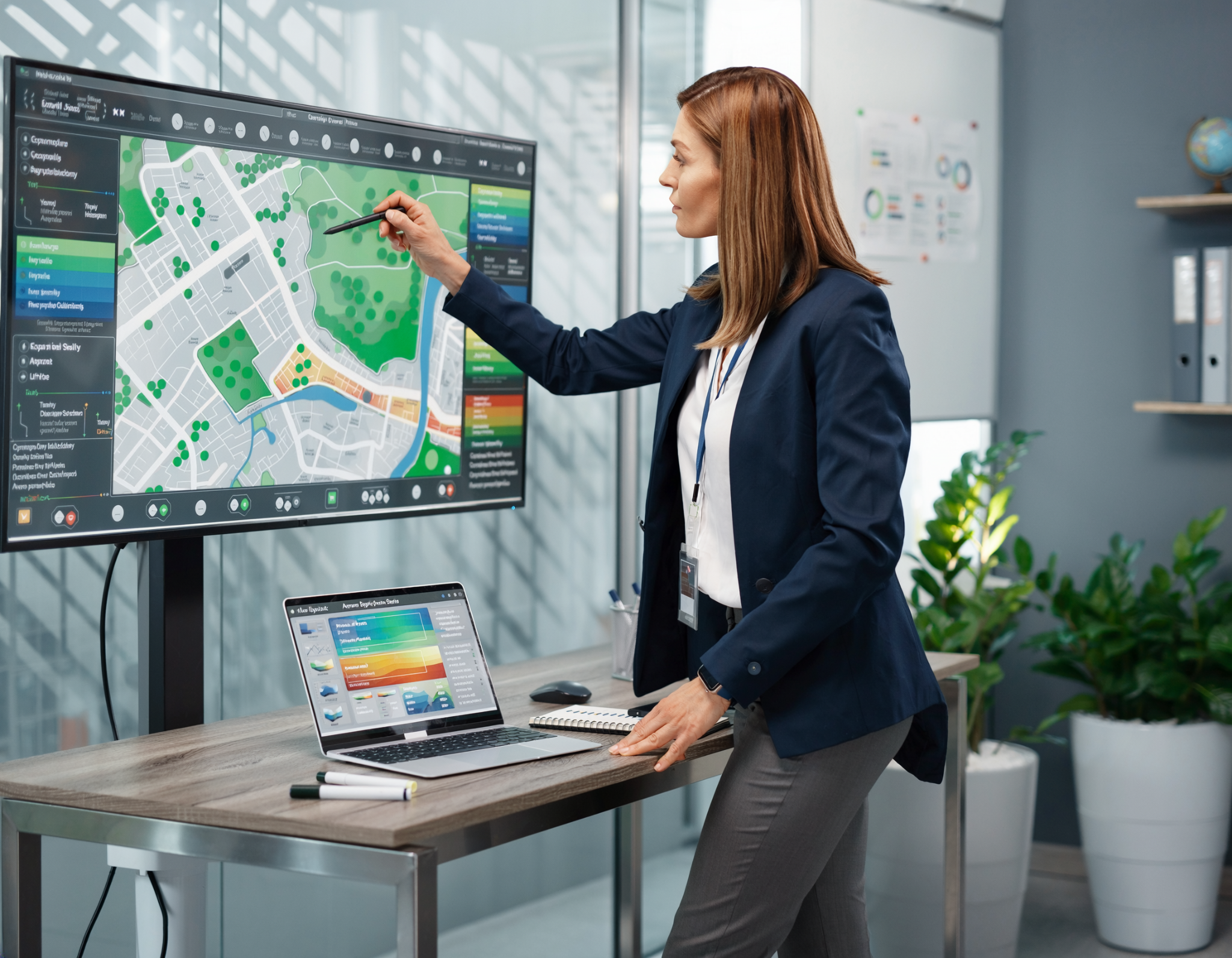
Green space management (GSM) has evolved from simple horticultural upkeep into an active, multi-disciplinary process governing the interface between natural systems and the built environment. As urban areas rapidly densify, municipal planners increasingly view vegetated patches not merely as decorative landscaping, but as critical, functional nodes within a city’s infrastructure. In the context of urban planning and environmental design, GSM addresses public urban green spaces (PUGS) as interconnected, social-ecological assets requiring active, data-driven interventions. The core objective of modern green space management is to enhance the environmental quality, microclimatic stability, and public accessibility of these spaces, directly counteracting the pressures of urban overbuilding and habitat fragmentation.
Methods and Ecosystemic Research in Urban Spaces
Traditional management structures often treated parks, street trees, and recreational fields as isolated features. In contrast, modern ecosystemic research frames these assets collectively as an urban green infrastructure network (Natural Resources Wales, 2016). Driven by this systemic viewpoint, contemporary GSM uses precise spatial and ecological methods to optimize the generation of localized ecosystem services.
Key operational methods within the built environment include:
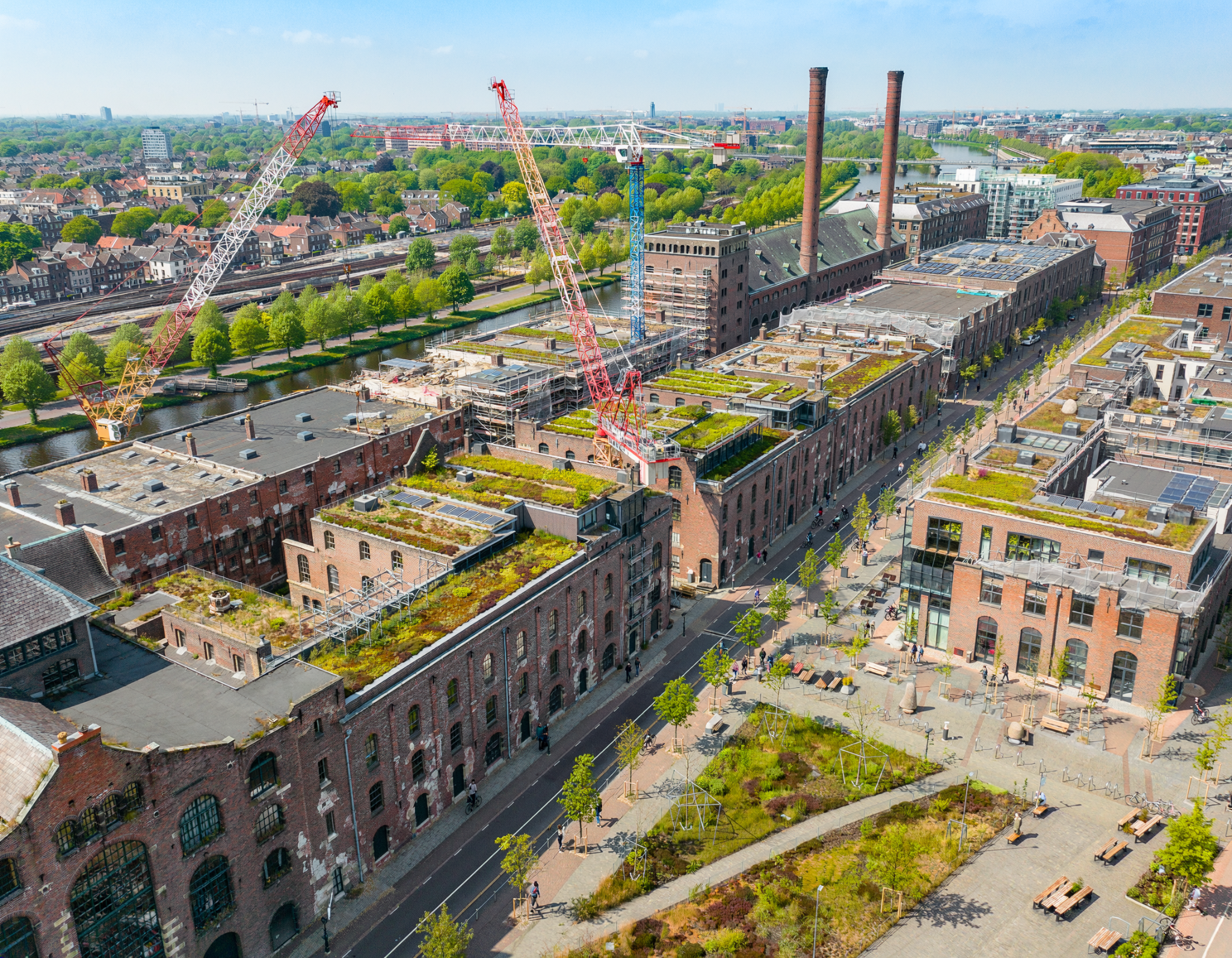
- Structural Green Retrofitting: Integrating nature-based solutions directly into existing architecture through extensive green roofs, bio-swales, and permeable streetscapes to restore historical hydrological cycles.
- Thermal Regulation Planning: Strategically orienting and selecting urban tree canopies based on normalized difference vegetation index (NDVI) mapping to mitigate intense urban heat islands.
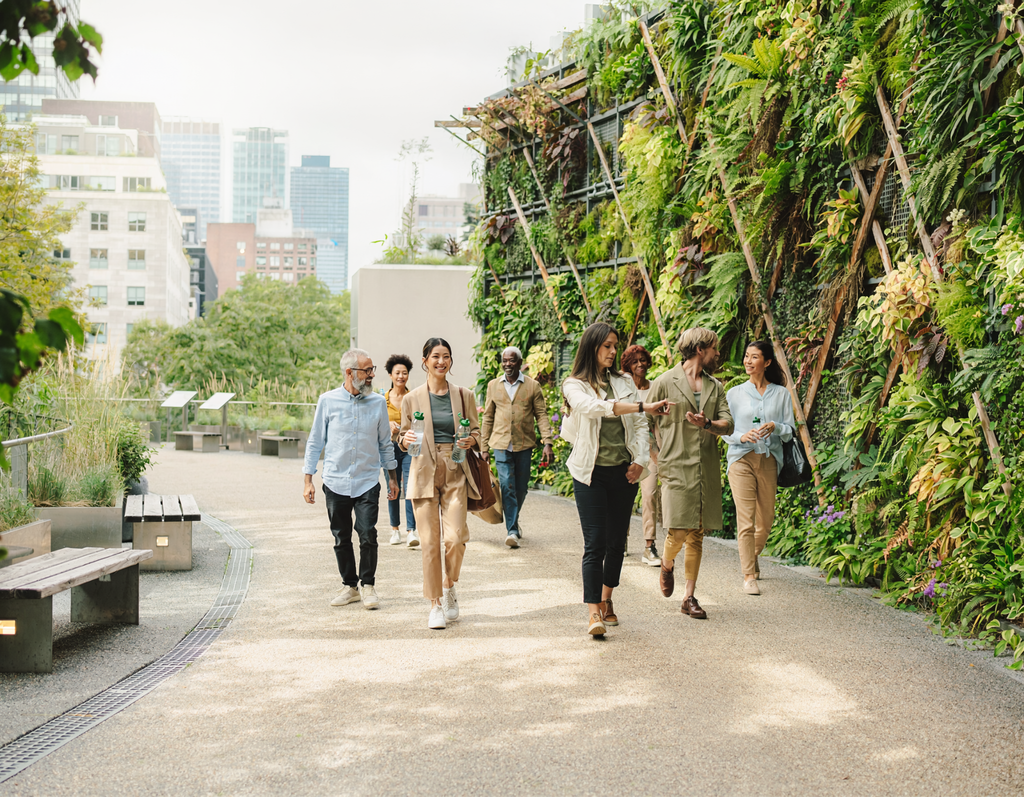
- Functional Spatial Connectivity: Designing continuous green corridors that link fragmented urban zones, promoting urban biodiversity, and offering pathways for gene flow between isolated wildlife populations.
Ecosystemic research highlights that the structural diversity of the canopy layer dictates its ecological efficiency. For example, recent studies on urban green spaces show that high-canopy forest configurations can sequester up to 6.6 times more organic carbon than low-canopy grass areas (Satta et al., 2025). Furthermore, effective management frameworks must anticipate and manage “ecosystem disservices”—such as pollen allergies or wildlife disease vectors—requiring careful balance through targeted botanical selections.
[Dense Urban Fabric] —> [Systemic GSM: Green Corridors & Retrofits] —> [Ecosystem Services: Cool Microclimates & Carbon Sequestration]
Collaborative Platforms and Digital Innovation
Transitioning from fragmented local landscaping projects to cohesive, regional green space systems requires extensive, evidence-based tools and cross-border knowledge networks. Urban planning departments often lack the direct ecological data needed to justify green infrastructure investments over traditional gray engineering.
To overcome these informational barriers, open-access knowledge repositories have become essential assets for sharing standardized practices. The European collaborative marketplace Oppla.eu provides a centralized repository where researchers and urban practitioners share tools, case studies, and nature-based solutions (IRIDRA, n.d.). Platforms like Oppla compile data from major research projects—such as GREEN SURGE and OpenNESS—to provide decision-makers with evidence-based guidance.
By utilizing these collaborative digital hubs, municipal authorities can adopt standardized criteria to assess both the financial feasibility and social impacts of green space solutions. This open sharing of data reduces administrative barriers, enabling cities to meet demanding conservation goals, such as those outlined in the EU Biodiversity Strategy, while creating equitable, climate-resilient urban environments (Vidal et al., 2022).
References
IRIDRA. (n.d.). Oppla – IRIDRA Nature Based Solutions – NBS. https://www.iridra.eu/en/research-and-development/networking/oppla
Natural Resources Wales. (2016). Urban green infrastructure and ecosystem services. Cyfoeth Naturiol Cymru. https://cdn.cyfoethnaturiol.cymru/682198/urban-green-infrastructure-ecosystem-services.pdf
Satta, G., Ganciu, A., & Ledda, A. (2025). Urban green spaces and climate changes: Assessing ecosystem services for the municipality of Sassari (Italy). Land, 14(6), 1308. https://doi.org/10.3390/land14061308
Vidal, D. G., Romano, O., Ferraz, M. P., Calheiros, C. S. C., Dinis, M. A. P., & Castro, J. A. (2022). Clustering public urban green spaces through ecosystem services potential. Environmental Science & Policy, 132, 110-121. https://doi.org/10.1016/j.envsci.2022.03.002