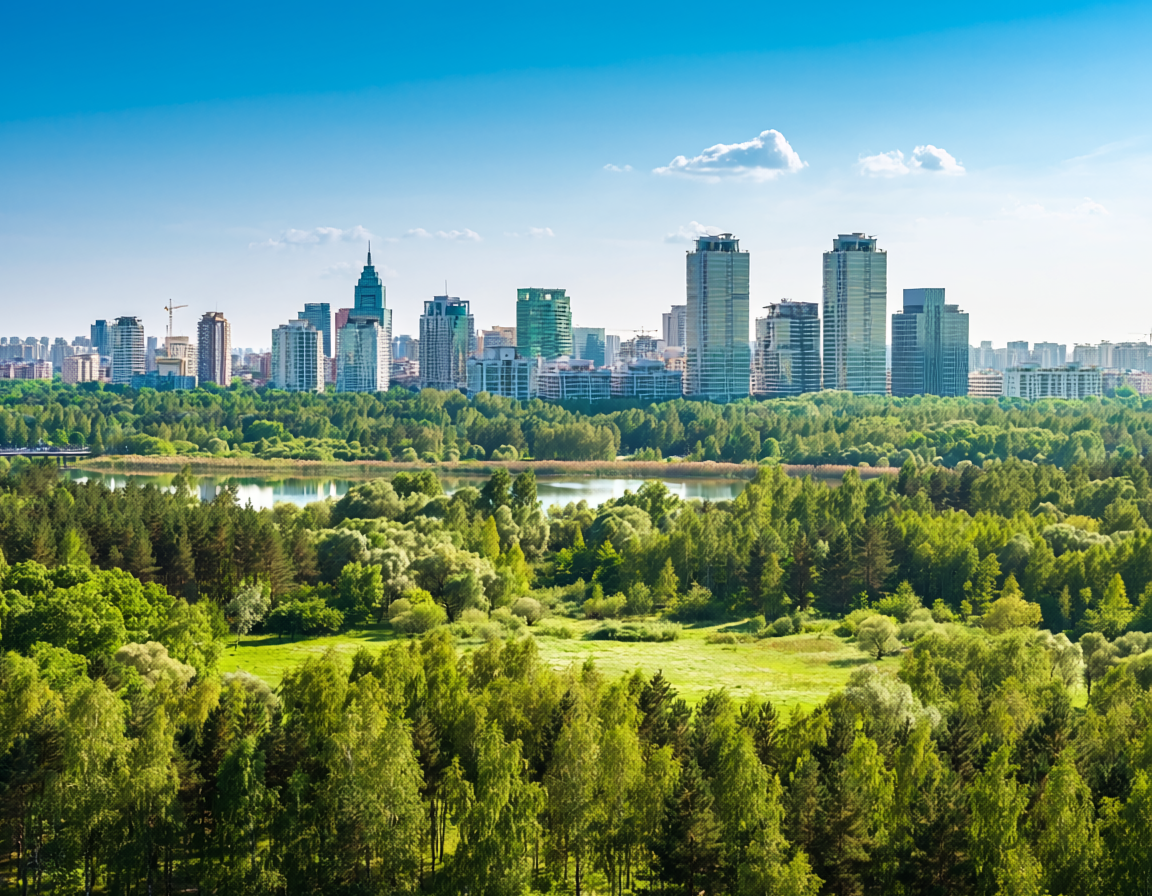
The urban tree canopy comprises the layer of leaves, branches, and stems of taller vegetation that shelters cities, providing a primary shield against deteriorating environmental factors. Functioning as a living infrastructure network, it intercepts solar radiation, lowers surface and air temperatures through evapotranspiration, and sequesters atmospheric carbon dioxide and particulate matter. The deliberate design and long-term expansion of this canopy layer are critical components of modern municipal efforts to combat the urban heat island effect and strengthen regional climate resilience. However, the performance and health of the canopy depend on specific species selection, local water availability, and the surrounding layout of built structures. When managed sustainably, urban tree canopies transform high-density neighborhoods from heat-trapping surfaces into comfortable, climate-adapted public spaces.

Defining Tree Canopy within the Urban Built Environment
In sustainable city design and environmental engineering, the tree canopy describes the total spatial coverage provided by mature tree crowns over built structures, roads, and open public spaces. Within the built environment, this overhead biological layer serves as a dynamic shield that alters the microclimate of dense cities. Rather than viewing urban forestry as a purely decorative landscaping choice, modern architectural frameworks treat the canopy as an active, three-dimensional grid that directly regulates the thermal, hydrologic, and atmospheric balances of human settlements.
[Solar Radiation] ──> [Tree Canopy Shading & Transpiration] ──> [Lower Air Temp & Reduced HVAC Loads]
Historically, gray infrastructure design favored flat, waterproof surfaces like concrete and asphalt, which absorb solar heat and create intense urban heat islands (UHI). Strategically introducing dense overhead foliage breaks up these continuous paved surfaces, lowering pedestrian-level temperatures by blocking shortwave radiation and reducing wind speeds. This natural cooling effect lowers the cooling loads on nearby buildings, decreases public energy consumption, and provides thermal comfort in public areas during extreme heat waves.
Methods and Ecosystemic Research
To maximize the benefits of urban forests, scientists use quantitative ecosystemic research methods to model how canopy structure, leaf density, and species distribution interact with local building forms.
Modern research teams deploy several specialized methodologies to assess and optimize canopy networks:
- Microclimate Fluid Modeling: Engineers run microclimate simulations using software like ENVI-met to evaluate different crown densities. This research shows that dense, multi-species canopies maximize outdoor thermal comfort by significantly reducing the Physiological Equivalent Temperature (PET) along urban corridors.
- LiDAR and i-Tree Eco Auditing: Urban foresters use airborne light detection and ranging (LiDAR) data combined with the i-Tree Eco suite to calculate precise ecosystem services. These tools quantify how a given canopy volume filters air pollution and sequesters carbon dioxide, ozone, and fine particulate matter.
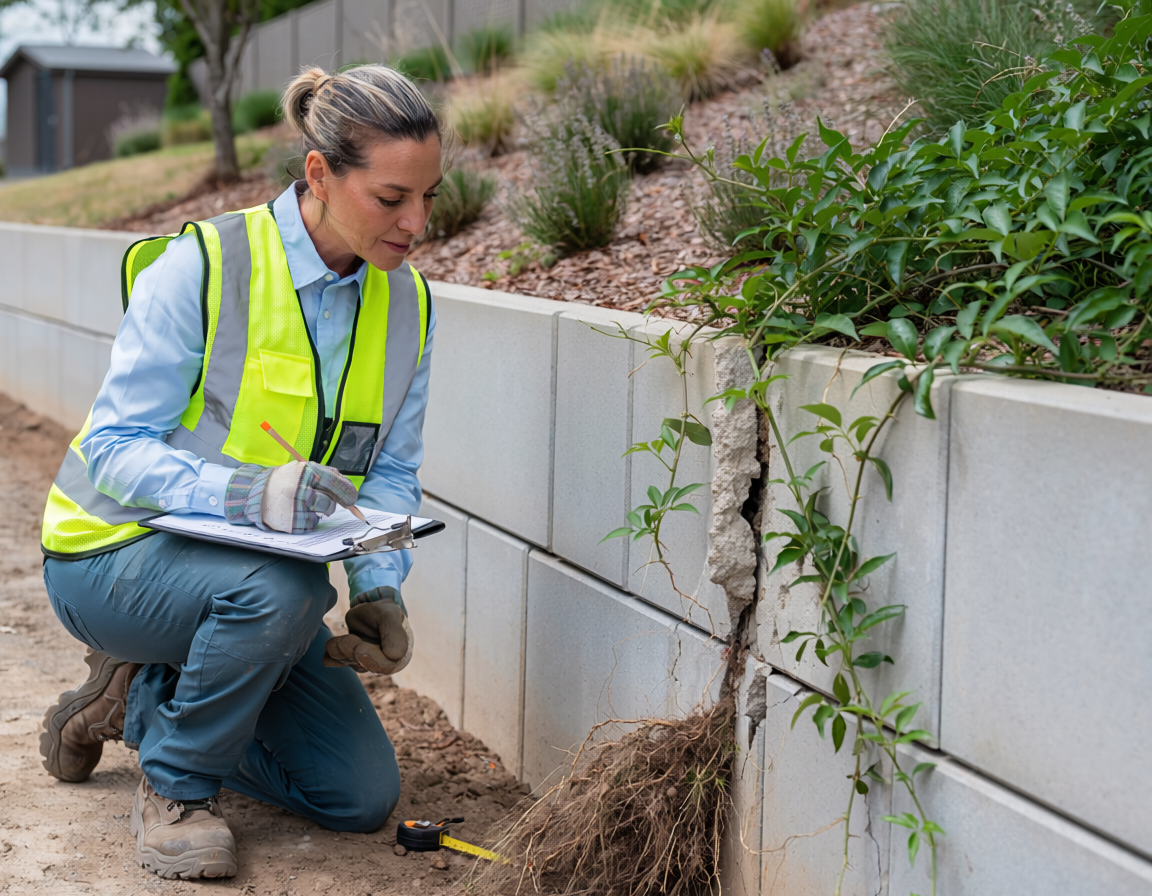
- Predictive Biomass and Stress Tracking: Researchers monitor sap flow, leaf area index (LAI), and root-zone symbiotic interactions. This step confirms that protecting root health through specialized fungal inoculations ensures long-term canopy growth and continuous ecosystem service delivery under severe urban stress.
The Role of Knowledge Platforms: Incorporating Oppla.eu
Expanding tree coverage in cities requires clear, standardized metrics that help planners integrate natural systems into local zoning codes. The Oppla.eu knowledge platform serves as a primary hub for sharing these field-tested strategies and nature-based solutions across European cities.
A prominent framework shared across these networks is the 3-30-300 rule for urban forestry. This metric dictates that every resident should see at least 3 mature trees from their window, every neighborhood should maintain at least a 30% continuous tree canopy cover, and all citizens should live within 300 meters of a high-quality green space.
| Canopy Management Approach | Structural Integration Strategy | Primary Ecosystem Service Yield |
| Street Canyon Planting | Arranging tall, deciduous trees alongside narrow vehicular corridors. | Minimizes asphalt heat retention; lowers pedestrian thermal stress. |
| Multi-Tiered Parks | Mixing evergreen and deciduous species within public squares. | Maximizes urban biodiversity and improves localized air filtration flows. |
| Subsurface Infiltration Cells | Connecting urban roots to continuous underground rainwater channels. | Lowers peak stormwater surges; protects canopy vitality during droughts. |
By leveraging open-source case studies and design tools from integrated European urban greening handbooks, municipal agencies can move away from uncoordinated tree-planting programs. Instead, they can deploy targeted green infrastructure plans that protect expanding tree canopies, using them as central components of resilient, climate-adapted architectural frameworks.
References
- European Commission. (2025). Handbook of tools for informing and monitoring urban greening strategies and nature plans. Knowledge Centre for Biodiversity / BioAgora. BioAgora Resource Library.
- Guedes, A., et al. (2019). Measuring and Improving Urban Tree Vitality and Ecosystem Services Provisioning through Inoculation with Ectomycorrhizal Fungi in Porto (URBANMYCOSERVE). BiodivERsA Project. Oppla Case Repository.
- NetworkNature Nordic Hub. (2024). The 3-30-300 Principle: Evaluating Urban Trees and Greening for Climate Adaptation and Public Health. Nordic Council of Ministers. NetworkNature Portal.
- Nouri, A., & Matzarakis, A. (2026). Parametric Analysis of Tree Canopy Density and Vegetation Cover on Thermal Comfort and Wind Flow in Urban Green Areas. MDPI Climate, 2(2), 12. MDPI Open Access.
- Ouhaddou, H., et al. (2026). Ecophysiology and Ecosystem Services of Olive Trees in a Semi-Arid Urban Environment. MDPI Vegetation, 57(1), 2. MDPI Open Access.
- Silva, R., & Hoffman, M. (2025). Microclimate Analysis of Tree Canopies and Green Surface Combinations for Urban Heat Island Mitigation. Buildings, 15(9), 1573. ResearchGate Repository.
- Zhang, J., et al. (2025). Cooling efficacy of trees across cities is determined by background climate, urban morphology, and tree trait. Urban Forestry & Urban Greening. ResearchGate Preprint.