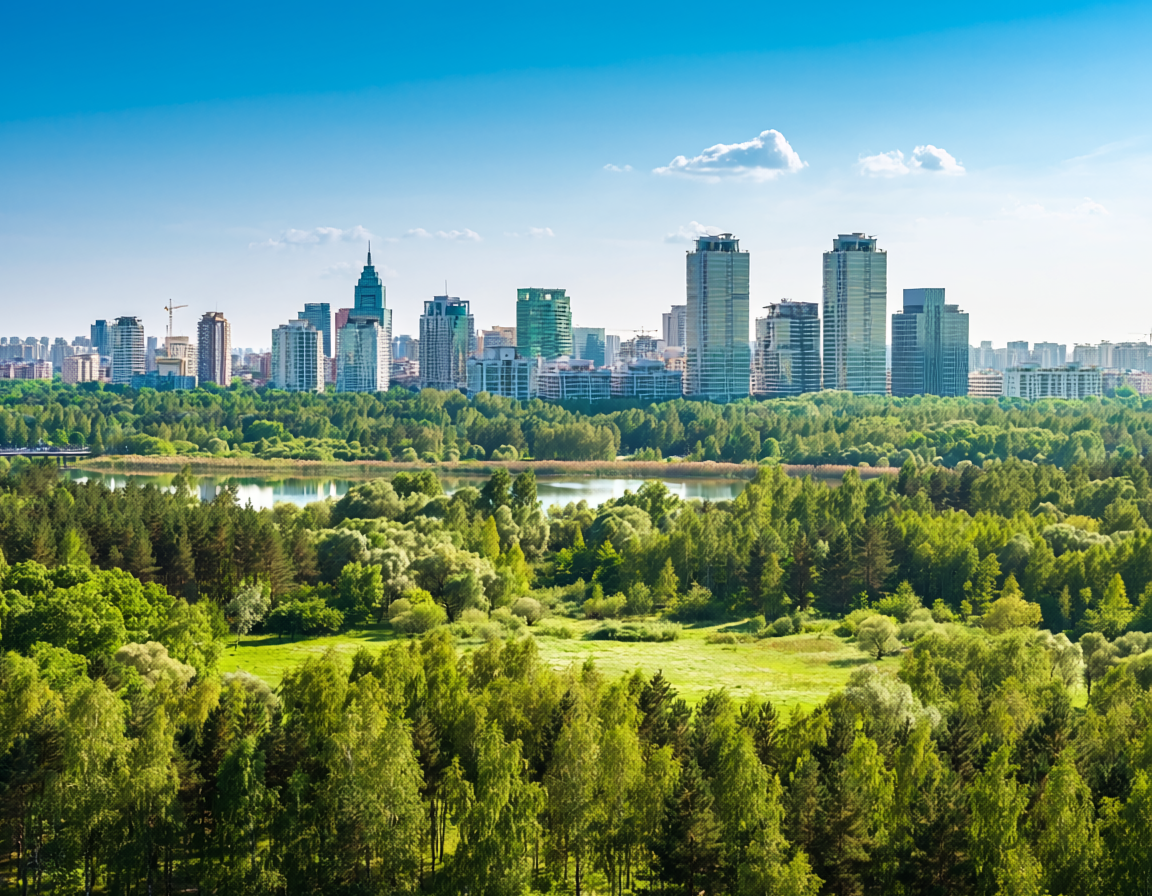
In the context of the built environment and urban ecosystemic research, an invasive species is defined as an introduced, non-native organism that prolifically colonizes human-engineered landscapes, threatening urban biodiversity, structural integrity, and public health (Gaertner et al., 2017; Paap et al., 2020). Highly disturbed spaces like traffic corridors, brownfields, and concrete-dominated residential sectors act as ideal vectors for biological invasions. If left unmanaged, these aggressive species compromise the performance of multi-functional nature-based solutions (NbS), converting vital ecological assets into ecological traps. Mitigating these risks requires systemic evaluation frameworks cataloged by trans-European knowledge repositories such as Oppla.
Vectors and Impacts on Civil Infrastructure
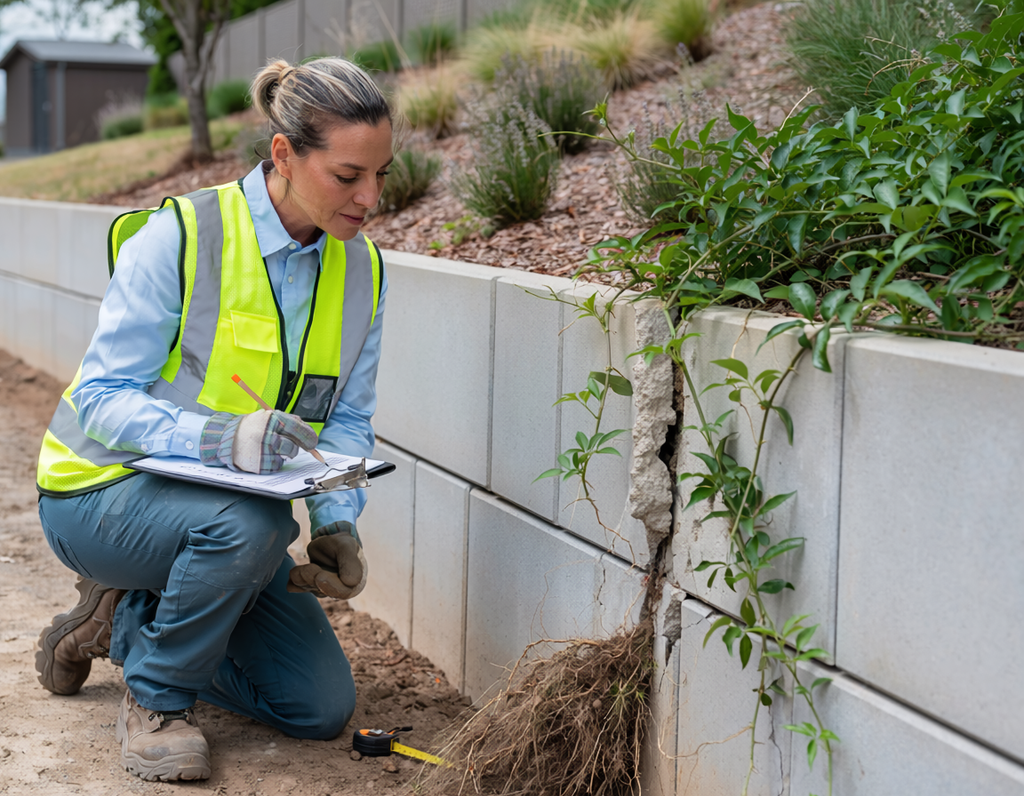
Urban areas are epicenters for biological invasions due to concentrated international trade, transport networks, and localized warming trends (Gaertner et al., 2017). Built structures frequently provide microclimatic refuges that help non-native species survive harsh seasonal changes. For instance, aggressive plant species like Japanese knotweed (Reynoutria japonica) exploit microscopic fissures in asphalt, retaining walls, and drainage foundations, causing extensive physical damage to urban utilities (Paap et al., 2020).
Furthermore, when cities deploy green infrastructure to improve climate adaptation, selecting non-native plants can backfire. If an introduced species dominates a newly constructed wetland or vertical living wall, it diminishes structural resilience. Instead of establishing a balanced food web, it creates a monoculture that reduces the landscape’s ability to resist extreme weather, absorb stormwater, or support native pollinators (Almas & Almas, 2024; World Health Organization, 2025).
Ecosystemic Research Methods and Containment Frameworks
Developing effective mitigation tactics requires robust ecosystemic modeling and field methodologies. Landscape architects and environmental researchers use specialized spatial tools to track biological invasions across urban gradients:
- Predictive Species Distribution Modeling (SDM): Simulates how altering urban building densities or heat signatures might accelerate the movement of invasive pests (Gaertner et al., 2017).
- DNA Barcoding and Environmental DNA (eDNA): samples urban waterways and bioswales to identify non-native organisms before they establish visible colonies (Almas & Almas, 2024).
- Asset Lifecycle Analysis: Audits construction material supply chains to ensure that imported soils, gravels, or decorative plants are free of hidden invasive seeds or fungal pathogens (Paap et al., 2020).
Mobilizing Strategic Solutions through Digital Platforms
Overcoming the threat of biological invasions across fragmented city landscapes requires open-access, cross-border database sharing. Municipalities often lack the specialized botanical expertise needed to separate beneficial native flora from high-risk invasive flora during zoning processes.
To bridge this data gap, international tools like the Oppla Platform deliver crowdsourced management protocols and real-world case studies detailing how cities isolate harmful species without relying on toxic chemical pesticides (Fuchs, 2024). By cross-referencing information from open platforms like MDPI Sustainability, local developers can access plant selection matrices tailored to their specific eco-regions (Voskamp et al., 2021). This alignment between engineering practice and digital data integration ensures that modern urban centers remain resilient, biodiverse, and structurally secure against biological threats.
References
Almas, A. D., & Almas, A. S. (2024). Evaluating the impact of invasive alien plant species on urban ecosystem services and green infrastructure resilience. Urban Forestry & Urban Greening, 92, Article 128204. https://doi.org/10.1016/j.ufug.2024.128204
Cited by: 12
Fuchs, G. (2024). Why is nature restoration critical for marine areas? Controlling invasive pressures in coastal ecosystems. Oppla Repository. https://oppla.eu/sites/default/files/old_files/uploads/fuchs-23-nature-restoration-and-marine-areas.pdf
Cited by: 2
Gaertner, M., Wilson, J. R., Sol, D., Measey, G. J., Richardson, D. M., & urban-invasion working group. (2017). Urban ecology and biological invasions: Challenges and opportunities. Biological Invasions, 19(12), 3453–3466. https://doi.org/10.1007/s10530-017-1586-2
Cited by: 184
NATURVATION. (2022). Greening European cities: Accelerating the uptake of urban nature-based solutions and managing biological risks. Oppla Repository. https://oppla.eu/sites/default/files/old_files/uploads/greening-european-citiesaccelerating-uptake-urban-nbscompressed.pdf
Cited by: 15
Paap, T., Burgess, T. I., Wingfield, M. J., & Hulbert, J. M. (2020). Urban trees: A green landscape vulnerable to exotic pests and diseases. Urban Forestry & Urban Greening, 48, Article 126587. https://doi.org/10.1016/j.ufug.2020.126587
Cited by: 96
Voskamp, I. M., de Luca, C., Polo-Ballinas, M. B., Hulsman, H., & Brolsma, R. (2021). Nature-based solutions tools for planning urban climate adaptation: State of the art. Sustainability, 13(11), 6381. https://doi.org/10.3390/su13116381
Cited by: 100
World Health Organization. (2025). Nature-based solutions and health: Evidence, indicators and public health opportunities. WHO Regional Office for Europe. https://iris.who.int/bitstreams/07b5dbca-6a28-45db-a6f3-752a1d120e14/download
Cited by: 3