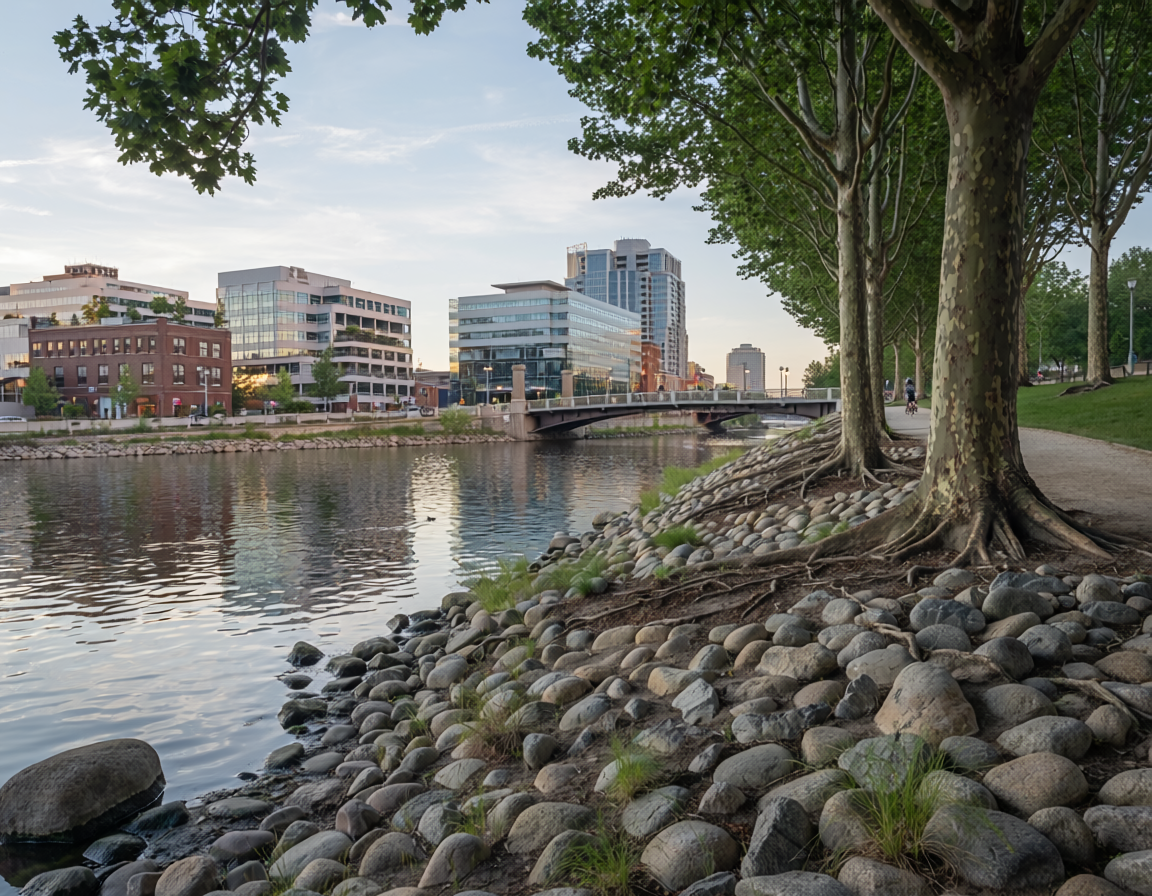
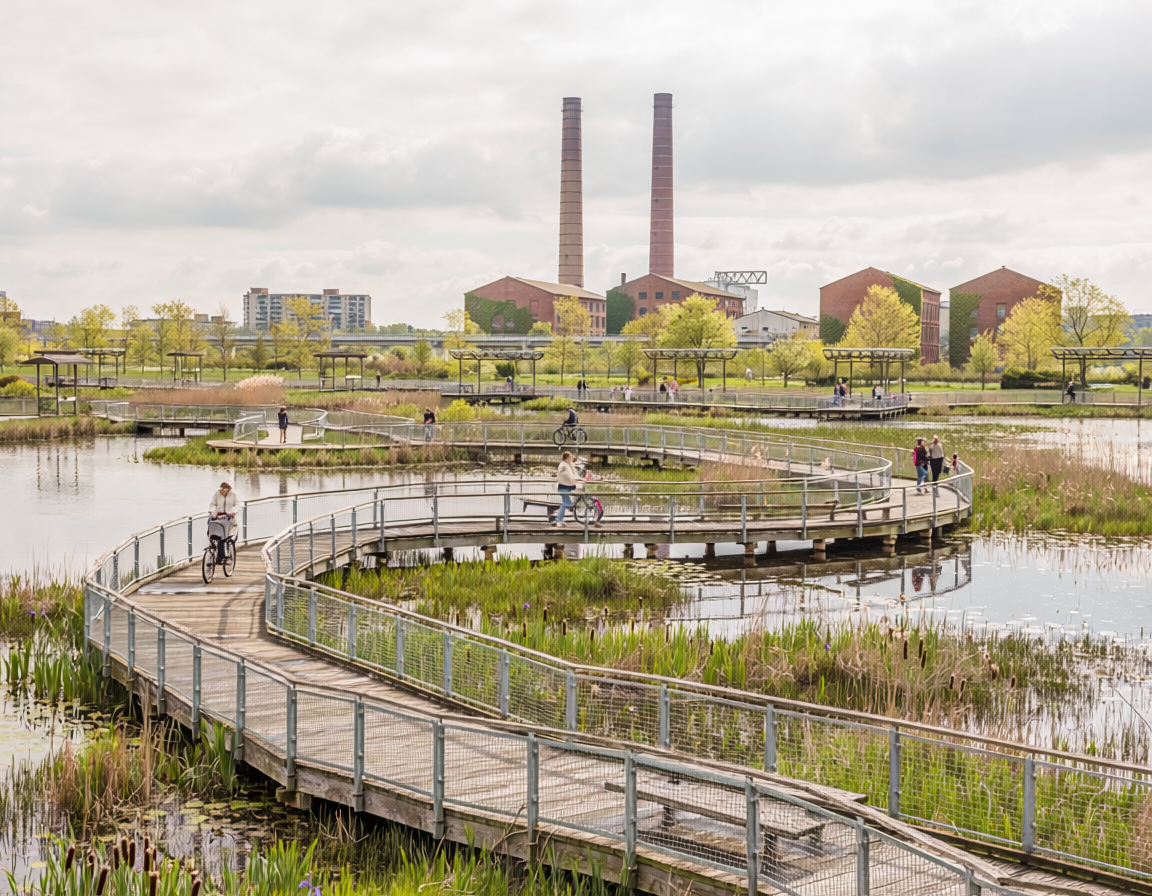
Professional training in the context of the built environment serves as a foundational bridge linking baseline ecosystemic research to actionable urban infrastructure implementation. Rather than executing siloed educational programs, contemporary frameworks utilize decentralized, transdisciplinary systems designed to scale up nature-based solutions (NBS) across municipal planning sectors. This educational methodology blends theoretical ecosystem services valuation with hands-on technical skills, covering everything from sustainable drainage configurations to microclimatic modeling. Leading knowledge hubs provide standardized curricular templates and virtual instruction modules to equip civil engineers, urban architects, and local policymakers with cross-sectoral competencies. Ultimately, systematic structural capacity building ensures that standard gray infrastructure methodologies transition seamlessly into highly resilient, bio-integrated urban environments.
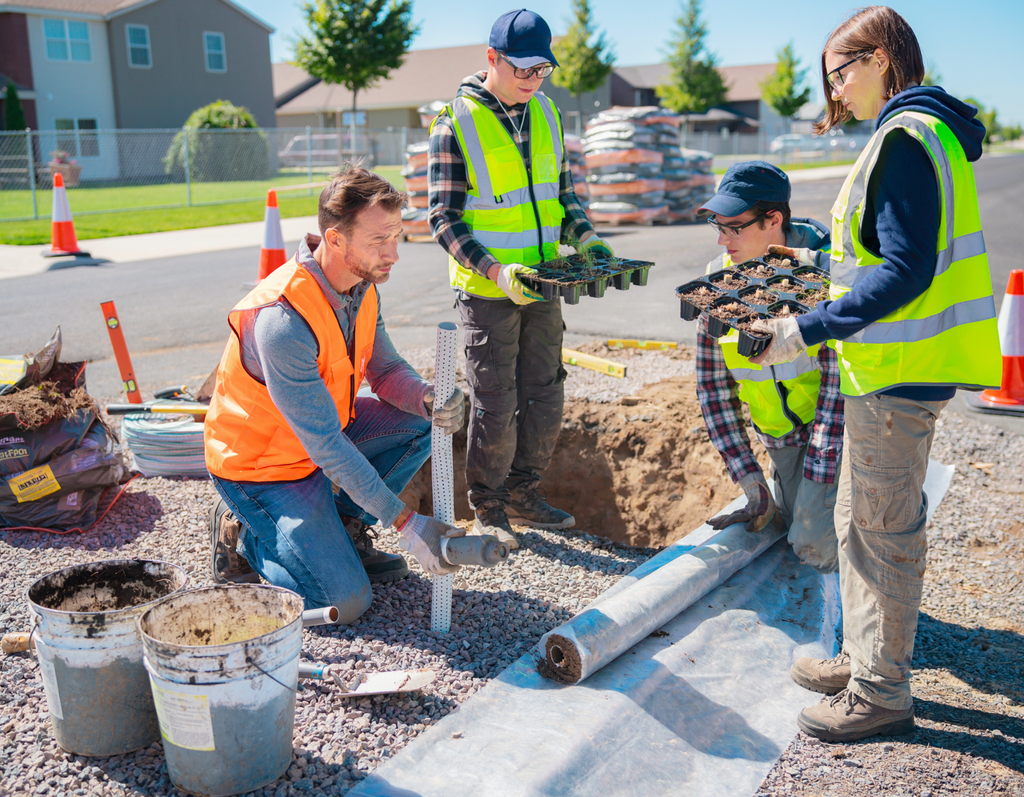
The transition toward climate-resilient cities demands a fundamental shift in how professionals approach architectural design, civil engineering, and urban zoning. Historically, structural disciplines prioritized static, gray-engineered models, such as standard asphalt systems and concrete retention walls. Replacing these conventional approaches with dynamic, bio-integrated structures requires a systematic overhaul of professional expertise.
Within the built environment, targeted training acts as the critical mechanism that translates raw ecosystemic data into actionable, nature-based solutions (NBS). This specialized form of capacity-building equips urban planning professionals with the interdisciplinary skills needed to design, install, and continuously maintain living infrastructure (Wanner et al., 2022).
Transdisciplinary Methods and Curricular Paradigms
Modern instructional frameworks for the built environment must dismantle traditional academic silos by blending environmental science, structural mechanics, and landscape architecture. To achieve this, advanced training models rely on systemic pedagogical tools:
- Whole Institution Living Labs: Academic institutions increasingly turn themselves into localized testbeds, using campus grounds to demonstrate real-time structural water management and vertical greening (ENABLS, 2025).
- Blended Intensive Learning: Educational alliances combine prolonged, collaborative virtual modeling with intensive, on-site physical site inspections to analyze the practical limitations of operational urban green zones (ENLIGHT, 2026).
- Biophysical Metric Application: Technical workshops focus heavily on teaching practitioners how to use complex Geographic Information Systems (GIS) and modeling applications to accurately predict localized cooling coefficients and surface runoff mitigation (Upskill, 2025).
By emphasizing these technical skills, contemporary curricula prevent nature-based projects from being treated as superficial landscape features, ensuring instead that they are engineered as core high-performance municipal assets.
Scaling Solutions via Centralized Platforms
A major obstacle to the widespread adoption of urban green infrastructure is the persistent knowledge gap between scientific research and field implementation. Centralized knowledge marketplaces like Europe’s Oppla.eu bridge this gap by functioning as accessible hubs for professional development. Oppla houses vast repositories of case studies, performance metrics, and dedicated educational programs—including specialized NBS EduWORLD Learning Units—that streamline professional training across international boundaries.
Furthermore, decentralized initiatives like the ENABLS Project use Oppla’s infrastructure to host dedicated technical and vocational education and training (TVET) microsites. These digital environments provide practitioners with open-access modules, teacher training guides, and shared toolkits, standardizing the core competencies required to scale natural infrastructure globally.
Integrating Ecosystemic Value into Policy and Finance
Comprehensive training must extend beyond structural engineering to address the economic and regulatory frameworks that govern city development. Practitioners frequently struggle to justify green project budgets because conventional accounting systems routinely overlook environmental benefits. To fix this, advanced masterclasses, such as the foundation courses curated by the Nature-based Solutions Initiative, focus intensely on alternative economic paradigms.
These programs train professionals in advanced ecosystem service valuation, natural capital accounting, and innovative public-private financing models. Armed with these specialized toolsets, urban planners can effectively present a rigorous Business Case for Nature-Based Solutions to institutional investors and elected officials. Consequently, structured professional development transforms ecological principles from optional zoning ideals into legally binding, fiscally sound construction standards (UNECE, 2025).
References
ENABLS. (2025). Mainstreaming Biodiversity and Nature-Based Solutions in Higher Education and Vocational Training. ENABLS Project Overview. https://enabls.eu/
ENLIGHT. (2026). Nature-Based Solutions for Local Climate Challenges: Opportunities for Resilient and Socially Equitable Cities. ENLIGHT European University Alliance. https://enlight-eu.org/students/courses/1634-nature-based-solutions
Nature-based Solutions Initiative. (2026). Nature-based Solutions to Global Challenges Foundation Course. University of Oxford. https://www.naturebasedsolutionsinitiative.org/nature-based-solutions-to-global-challenges-foundation-course/
Oppla. (n.d.). NBS EduWORLD Learning Units and Knowledge Repository. Oppla Hub. https://oppla.eu/
UNECE. (2025). Promoting Nature-Based Solutions and Sustainable Infrastructure in the ECE Region: Environmental and Health Co-Benefits. United Nations Economic Commission for Europe. https://unece.org/sites/default/files/2025-11/NbS%202515391E_WEB.pdf
Upskill Development. (2025). Nature-Based Solutions for Climate Resilience and Ecosystem Restoration Training Course. Upskill Global Learning. https://upskilldevelopment.com/nature-based-solutions-for-climate-resilience-and-ecosystem-restoration-training-course
Wanner, A., Pröbstl-Haider, U., & Feilhammer, M. (2022). New green infrastructure for European cities: Multiple ways for improvement and climate change adaptation. WIT Transactions on Ecology and the Environment, 256, 111-122. https://doi.org/10.2495/sc220111