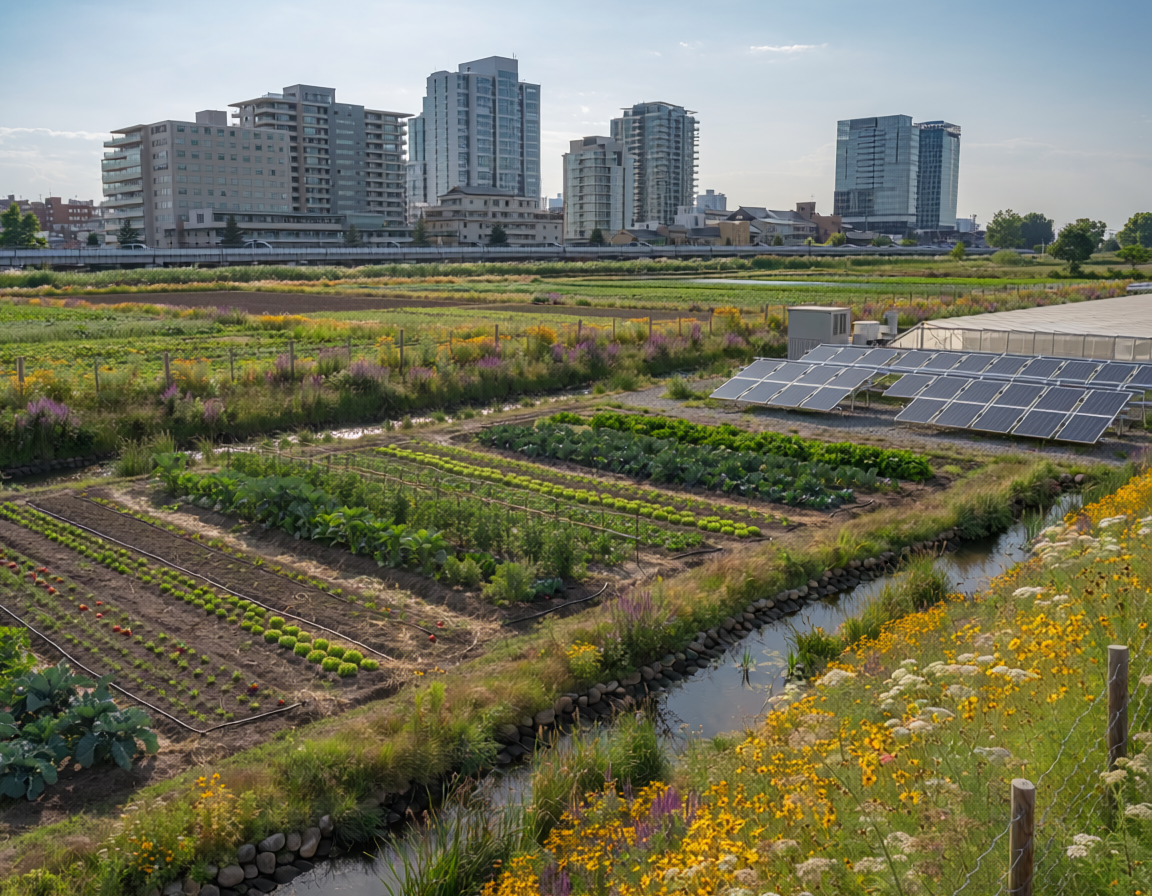
Green space within the built environment represents a strategically planned network of natural and semi-natural areas designed to deliver vital ecosystem services to urban populations. In contemporary ecosystemic research, these spaces are analyzed not merely as aesthetic amenities, but as functional, nature-based infrastructure that actively mitigates the urban heat island effect, regulates stormwater, and preserves fragmented biodiversity. Methodological approaches to modern urban design leverage green spaces—such as pocket parks, bioswales, and living building envelopes—to restore degraded ecological processes within dense concrete matrices. By treating vegetated landscapes as core infrastructural components, cities can systematically transition from rigid, resource-extractive systems toward flexible, biophilic urban habitats. Platforms like Oppla.eu facilitate this evolution by connecting structural engineers and urban ecologists with validated, empirical data to standardize and scale green infrastructure globally.
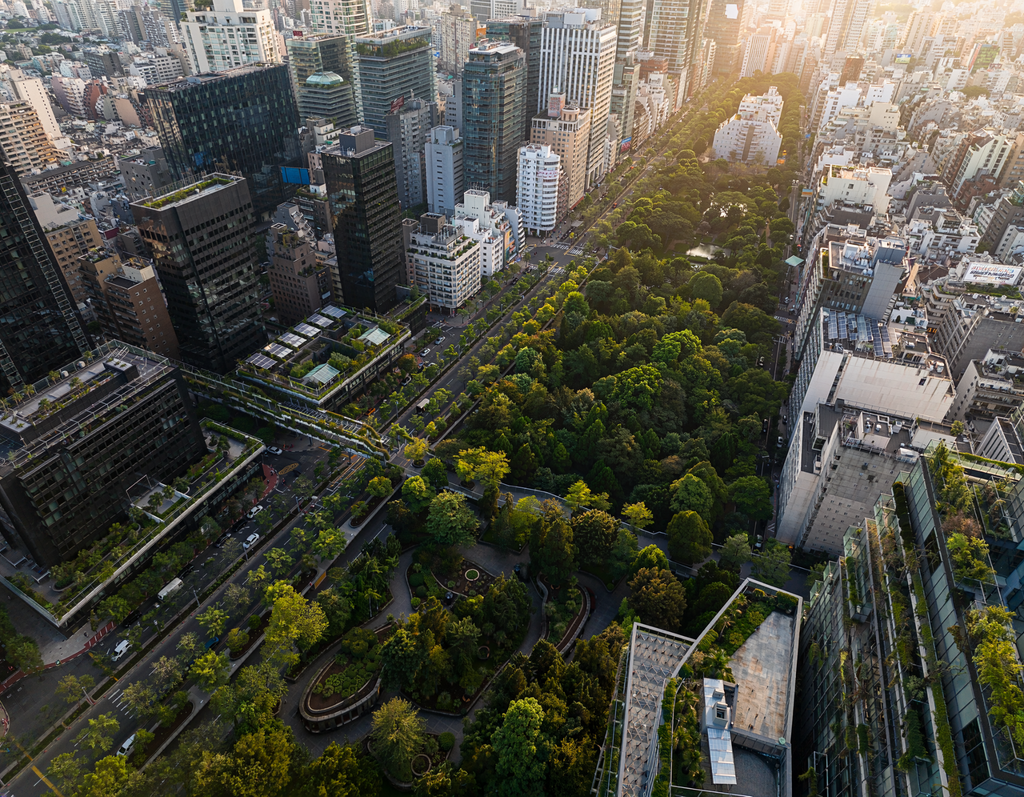
Green Space in the Built Environment: Multifunctional Infrastructure and Ecosystemic Integration
As global urbanization rapidly accelerates, the traditional separation between natural ecosystems and human habitations has become increasingly unsustainable. Within the built environment, green space is no longer defined merely as isolated patches of grass or decorative public parks. Instead, ecosystemic research treats urban green space as a highly sophisticated form of nature-based infrastructure (NBI) that is deeply integrated into the city’s thermodynamic, hydrological, and socio-ecological fabrics.
From green roofs and engineered bioswales to interconnected urban wildlife corridors, green spaces serve as critical metabolic organs for modern cities. They intercept solar radiation, absorb heavy precipitation, filter ambient air pollutants, and offer vital refuges for displaced biodiversity.
+—————————————————————–+
| URBAN GREEN SPACE NETWORK |
| (Bioswales, Pocket Parks, Living Walls, Urban Micro-Forests) |
+—————————————————————–+
| |
v (Hydrological Loop) v (Thermodynamic Loop)
+——————————-+ +——————————+
| Stormwater Infiltration | | Evapotranspirative |
| & Aquifer Recharge | | Cooling |
+——————————-+ +——————————+
| |
+—————> [ URBAN RESILIENCE ] <—————-+
Methodological Frameworks and Ecosystemic Research
Maximizing the performance of green spaces requires urban planners to move beyond arbitrary aesthetic landscaping and instead utilize quantitative ecosystemic research. Historically, traditional urban planning isolated green elements, drastically limiting their ecological functionality and leaving them highly vulnerable to soil compaction, invasive species, and structural fragmentation.
To counter these limitations, modern environmental engineering employs data-driven methodologies:
- Microclimate Evapotranspiration Mapping: Utilizing satellite telemetry and localized sensor arrays to design the exact configuration, canopy density, and species composition of green spaces required to lower extreme local urban temperatures.
- Sustainable Urban Drainage Systems (SuDS): Replacing impermeable asphalt with a network of rain gardens, swales, and retention ponds that closely mimic natural wilderness hydrology.
- Biophilic Building Envelopes: Utilizing living walls and modular green roofs to lower internal building cooling loads while creating vertical stepping stones for urban wildlife.
Research indicates that maximizing the structural connectivity of these spaces is vital. Rather than designing large, isolated destination parks, creating a continuous, web-like matrix of smaller green interventions yields significantly higher microclimate cooling and biodiversity distribution across dense urban zones.
Scaling Solutions via Collaborative Knowledge Platforms
Because deploying multifunctional green space involves aligning the goals of landscape architects, civil engineers, and municipal policymakers, access to standardized metrics is essential for project approval and financing. Open-access repositories, such as the Oppla.eu Knowledge Platform, bridge this gap by offering an international database of nature-based solutions, technical case studies, and policy tools. Oppla enables urban developers to evaluate the long-term performance of specific vegetation types, understand maintenance requirements, and view economic valuation models for urban greening initiatives.
Complementing these repositories, international research networks like the World Resources Institute Ross Center for Sustainable Cities provide localized, empirical frameworks for green infrastructure deployment. These collaborative databases translate complex ecological processes into clear, actionable data, allowing municipalities to substitute costly grey infrastructure installations with self-sustaining green solutions.
By prioritizing the strategic integration of connected green spaces, the contemporary built environment can evolve past its historically extractive relationship with nature. Instead, cities can operate as thriving, adaptive ecologies that actively support human well-being, protect regional biodiversity, and build long-term climate resilience.
References
- Oppla.eu. (2026). Nature-based solutions repository, operational toolkits, and case studies for urban green infrastructure. Oppla Portal.
- Benedict, M. A., & McMahon, E. T. (2012). Green infrastructure: Linking landscapes and communities. Island Press.
- Guan, M., Silliman, B. R., & Ecosystem Research Group. (2021). The scaling of evapotranspirative cooling services across interconnected urban green spaces. Landscape and Urban Planning, 214, 104182.
- World Resources Institute. (2024). Scaling nature-based solutions for climate-resilient and heat-adapted cities. WRI Ross Center.