Soil Quality: Subsurface Ecosystem Functions and Structural Health in Living Cities
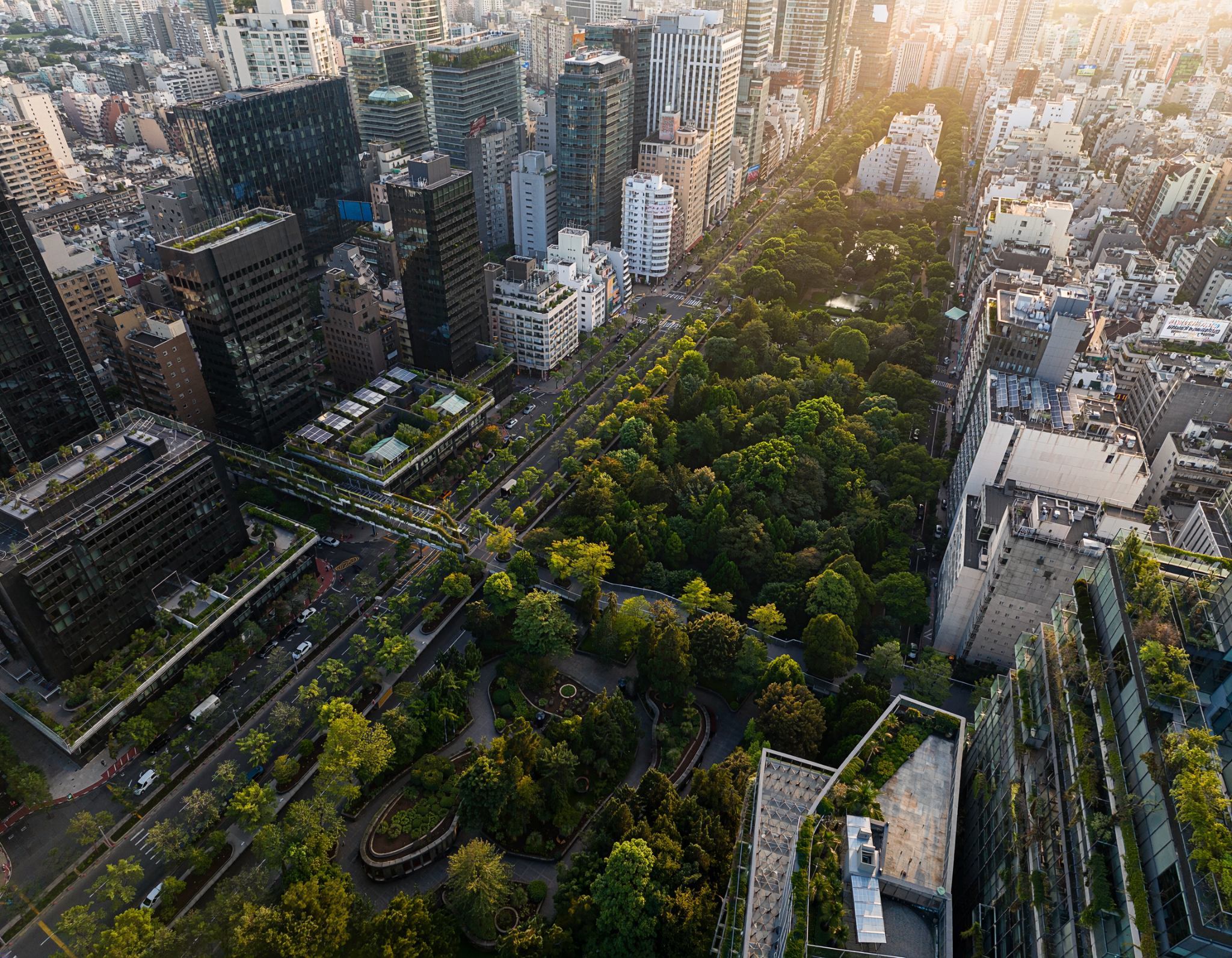
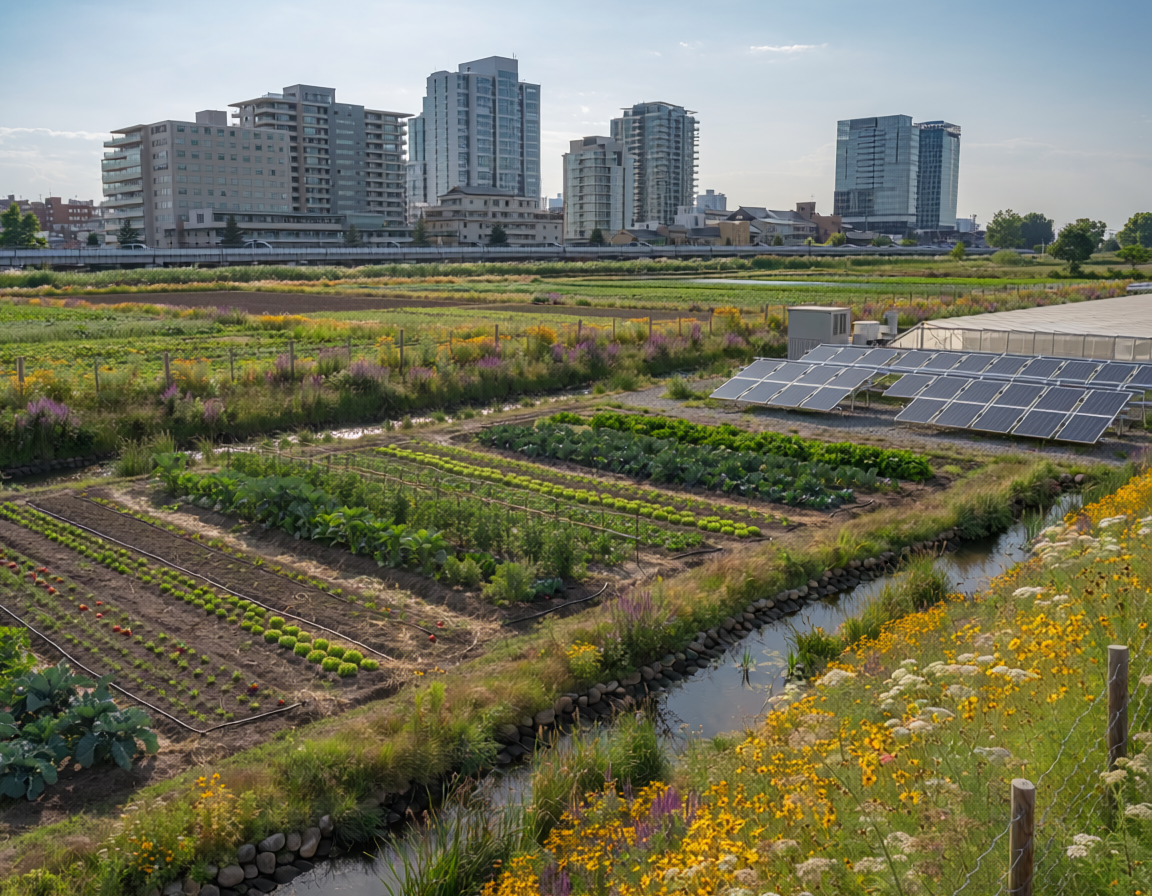
Soil quality within built landscapes defines the capacity of unsealed ground to sustain critical biological, chemical, and hydrological filtration cycles. Moving past traditional geotechnical perspectives that treat dirt solely as a physical load-bearing substrate, modern urban engineering views the subterranean layer as a vital biological filter. Healthy urban soils actively process stormwater runoff, store atmospheric carbon, and provide the nutrient foundations required to support overhead green infrastructure networks. However, these vital ecosystem services are frequently disrupted by heavy mechanical compaction, artificial sealing, and structural chemical pollutants. When managed through regenerative design and biological remediation techniques, high-quality urban soils turn degraded building sites into active, living foundations that support long-term climate adaptation.

Defining Soil Quality within the Built Environment
In sustainable civil engineering, landscape architecture, and urban ecology, soil quality refers to the capacity of the unsealed underground matrix to function as a living system that sustains biological productivity, regulates water movement, and maintains atmospheric balance. Within the built environment, protecting and improving soil quality represents a major change from traditional development practices, which historically treated soil as an inert material to be compacted, excavated, or covered under impermeable gray surfaces.
[Urban Runoff & Contaminants] ──> [Healthy, Unsealed Soil Matrix] ──> [Stormwater Filtration & Vibrant Plant Growth]
Artificial soil sealing—the covering of land with asphalt, concrete, and building foundations—destroy subterranean ecosystems. This sealing cuts off water infiltration, kills beneficial soil biotas, and accelerates dangerous surface flooding. By integrating nature-based solutions (NBS), modern design treats the ground as an active, three-dimensional sponge and filtration bed. Maintaining porous, uncompacted soil structures inside urban public spaces allows cities to naturally absorb severe stormwater surges, filter out heavy metals before they reach deep aquifers, and support the large root zones needed for expanding urban tree canopies.
Methods and Ecosystemic Research
To calculate and optimize underground ecological functions, environmental scientists deploy quantitative ecosystemic research methods that evaluate physical, chemical, and biological soil health markers inside built spaces.
Modern research teams rely on several specialized methodologies to monitor and restore urban soils:
- Microbial Biomass and DNA Metabarcoding: Biologists analyze the diversity of soil bacteria and fungi using genetic sequencing. This research proves that inoculating heavily disturbed urban soils with native mycorrhizal fungi restores natural nutrient cycling and significantly improves plant survival under intense urban heat and pollution stress.
- Infiltration and Bulk Density Auditing: Geotechnical engineers measure soil compaction using cone penetrometers and double-ring infiltrometers. These field tests help researchers design specialized structural soils and porous aggregate blends that prevent dangerous compaction while safely supporting pedestrian and vehicular traffic loads.
- Bioremediation and Phytoremediation Trait Modeling: Environmental chemists monitor how specific plant-soil combinations break down or lock away toxic materials. Studies demonstrate that mixing organic composts with hyperaccumulating plants effectively filters out heavy metals and polycyclic aromatic hydrocarbons from street runoff.
The Role of Knowledge Platforms: Incorporating Oppla.eu
Scaling up soil restoration projects from isolated trial sites into municipal zoning laws requires open-access knowledge networks. The Oppla.eu repository serves as a primary European platform for nature-based solutions, providing planners with field-tested design guides, case studies, and toolkits focused on soil protection.
Data resources shared across these networks highlight that subsurface soil quality underpins almost all overhead green infrastructure benefits. For instance, urban soil management guides on Oppla show how cities can transition from isolated planter boxes to continuous underground soil trenches. This landscape-scale planning connects built elements directly to natural soil profiles:
| Soil Management Approach | Spatial Infrastructure Strategy | Primary Subsurface Yield |
| Continuous Structural Trenches | Installing uncompacted soil beds beneath permeable pavements using structural cells. | Prevents root binding; allows continuous rainwater infiltration and storage. |
| Mycorrhizal Bio-Inoculation | Adding targeted fungal networks to degraded or excavated construction site soils. | Re-establishes natural nutrient loops; dramatically boosts urban tree vitality. |
| Vegetated Bio-Retention Swales | Engineering wide, multi-layered soil channels along high-traffic roadsides. | Slows down stormwater surges; traps and neutralizes petroleum residues locally. |
By utilizing collaborative tools from integrated European urban greening handbooks, municipal agencies can move away from treating soil as a simple construction waste product. Instead, they can embed soil quality protection directly into local building codes and site development workflows, ensuring that healthy subterranean networks serve as a functional foundation for climate-resilient, biodiverse cities.
References
- European Commission. (2025). Handbook of tools for informing and monitoring urban greening strategies and nature plans. Knowledge Centre for Biodiversity / BioAgora. BioAgora Resource Library.
- European Environment Agency. (2020). The circular economy in Europe — Soft on materials, hard on spatial design. EEA Report. EEA Publication Portal.
- Guedes, A., et al. (2019). Measuring and Improving Urban Tree Vitality and Ecosystem Services Provisioning through Inoculation with Ectomycorrhizal Fungi in Porto (URBANMYCOSERVE). BiodivERsA Project. Oppla Case Repository.
- Oppla.eu / Climate-ADAPT. (2021). OPPLA – Information hub for nature-based solutions. European Environment Agency. Climate-ADAPT Info Profile.
- Oppla.eu. (2019). Resource Repository: Soil biodiversity and subsurface ecosystem services in urban development. Oppla Resource Hub.
- Ouhaddou, H., et al. (2026). Ecophysiology and Ecosystem Services of Olive Trees in a Semi-Arid Urban Environment. MDPI Vegetation, 57(1), 2. MDPI Open Access.
- Popescu, A., & Ionescu, M. (2024). Material Flow Analysis and Life-Cycle Assessment of Biogenic Building Components in Central and Eastern European Urban Regions. Sustainability, 16(4), 1564. MDPI Open Access.