Climate Change
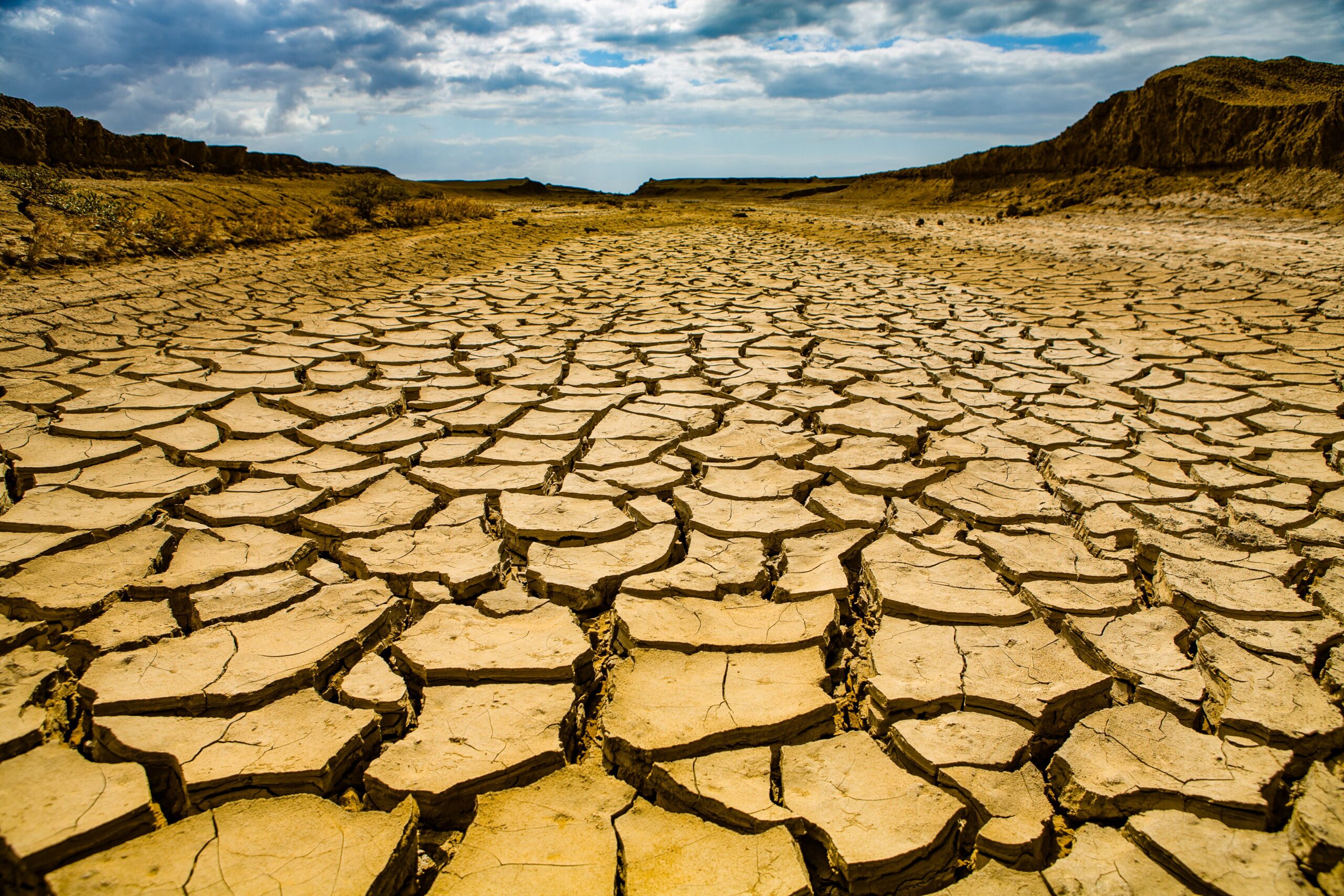
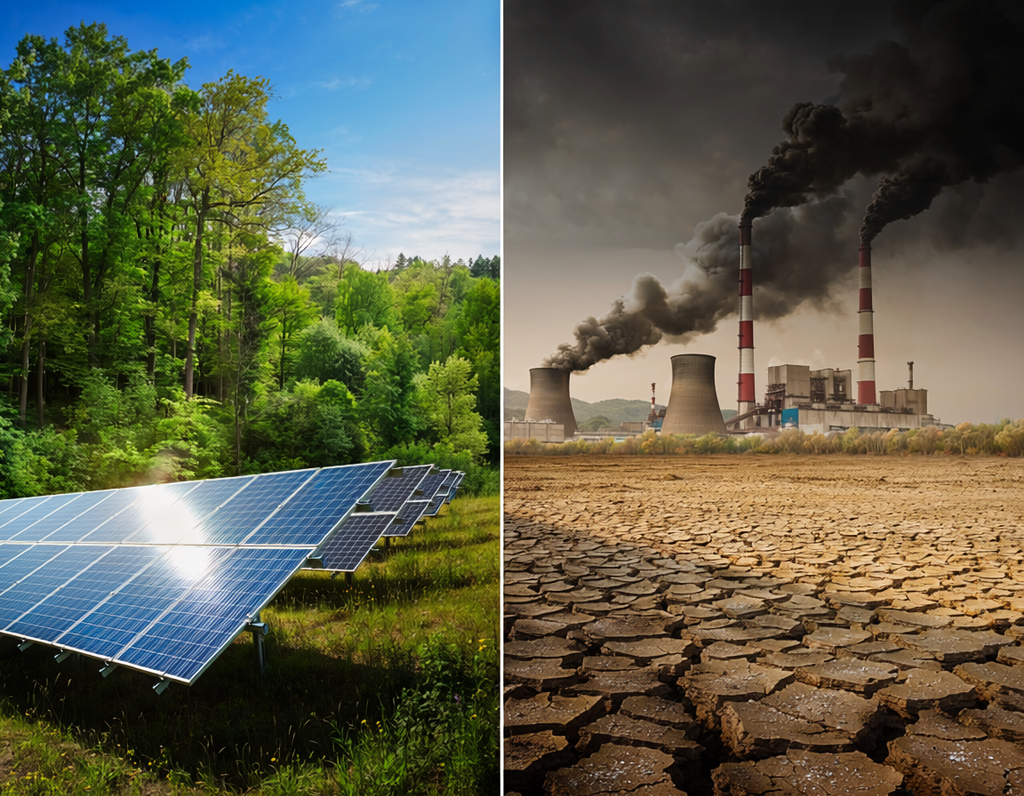
Climate change represents an accelerating global crisis driven primarily by human-induced greenhouse gas emissions that alter the Earth’s atmospheric systems. It causes widespread disruptions ranging from rising sea levels and intense prolonged heatwaves to altered precipitation patterns and severe biodiversity loss. Mitigating these planetary shifts requires transforming industrial practices, transitioning rapidly toward renewable energy, and completely rethinking urban development models. Adapting to the damage already locked into the climate system demands urgent global cooperation and localized resilience efforts. Failure to address this challenge aggressively risks catastrophic, irreversible changes to both human civilization and the natural ecosystems upon which life depends.
Integrating Nature-Based Solutions into the Built Environment
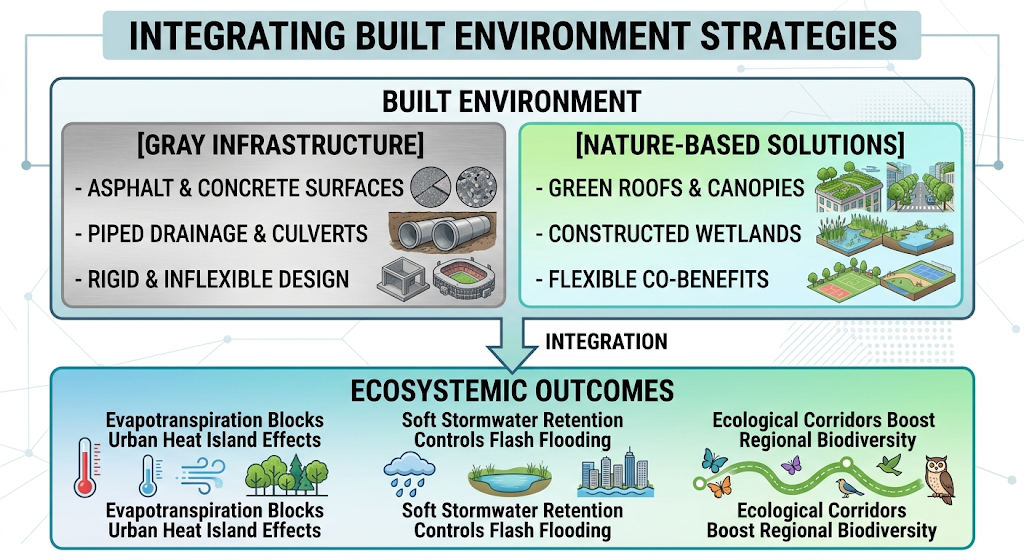
In the era of climate change, the modification of the built environment is critical because urban zones inherently magnify climate impacts, such as severe flash flooding and intense urban heat island effects (Voskamp et al., 2021). To systematically mitigate these risks, traditional civil engineering relies heavily on gray infrastructure, which includes rigid, non-adaptive concrete barriers, piped drainage networks, and heavily asphalted surfaces. However, contemporary ecosystemic research emphasizes that gray designs lack the spatial flexibility required to handle unpredictable climate extremes (McPhearson, 2025). As a result, sustainable urban planning paradigms are transitioning toward integrating Nature-based Solutions (NbS)—actions that leverage living, biological processes and natural structures to effectively manage environmental stressors while simultaneously boosting urban biodiversity (O’Hogain & McCarton, 2018).
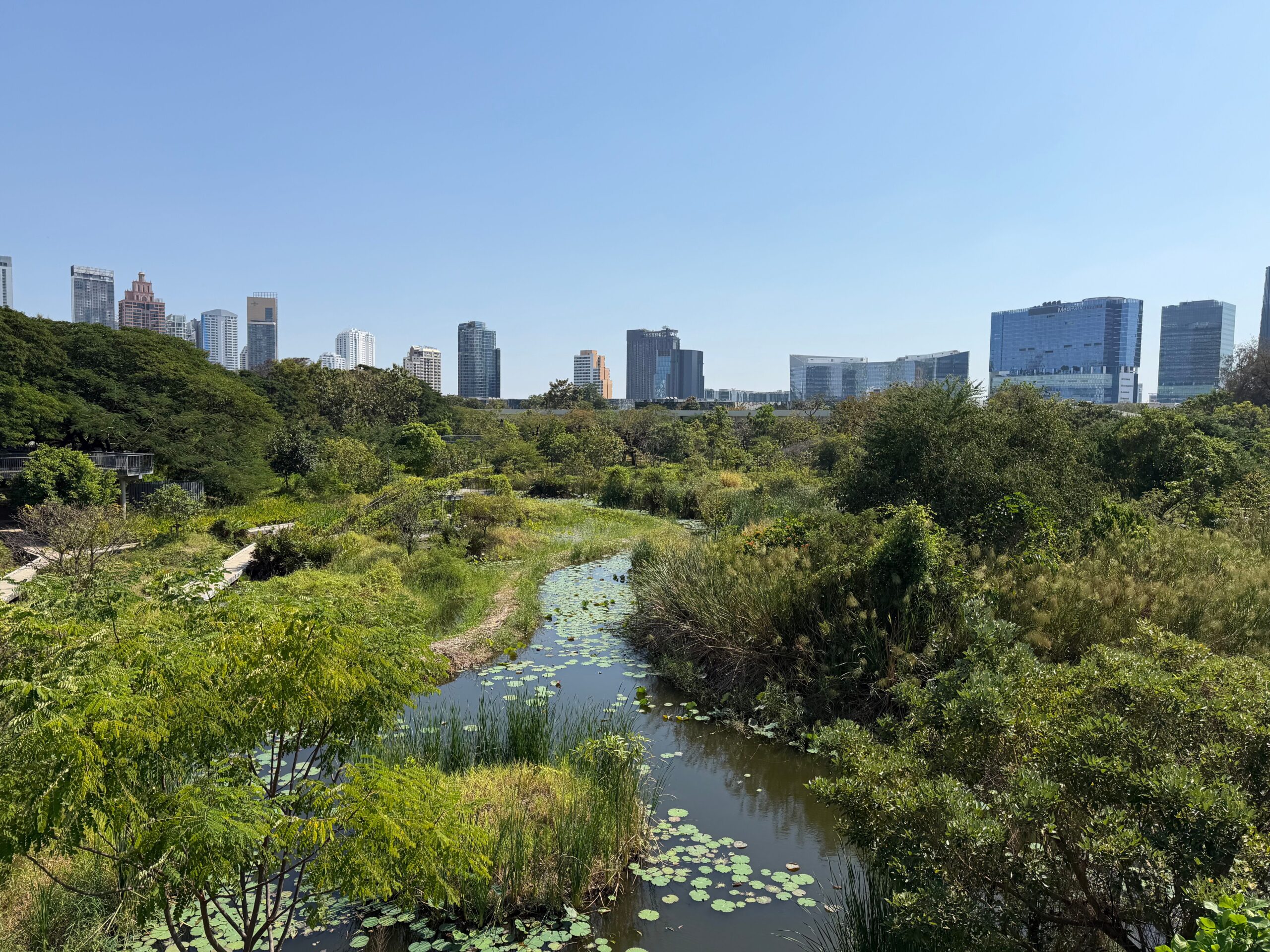
Ecosystemic research into built environments focuses heavily on retrofitting modern cities with green and blue interventions, such as green roofs, urban wetlands, rain gardens, and bioretention swales (O’Sullivan et al., 2020). These dynamic natural interventions function as resilient biological shock absorbers. For example, during intense, localized cloudburst events, urban wetlands and bioretention areas actively capture and filter vast quantities of stormwater runoff, drastically lowering the burden on overwhelmed city drainage networks. Concurrently, strategically distributed green roofs and urban tree canopies reduce extreme summer temperatures via evapotranspiration, mitigating heat risks for dense populations (World Health Organization, 2026). This integrated framework ensures that infrastructure works in harmony with local ecosystems rather than disrupting them.
Scaling these ecosystemic innovations requires robust open-access knowledge platforms like Oppla.eu. Functioning as a collaborative European knowledge repository, Oppla bridges the gap between academic research and practical urban development by offering case studies, technical toolkits, and crowdsourced solutions (SOLUTIONS, n.d.). Similarly, networks such as NATURA (Nature-based Solutions for Urban Resilience in the Anthropocene) foster global cooperation by linking practitioners across diverse geographies to share context-specific ecological insights (Cook, 2025). By utilizing these shared platforms, municipal planners and architects can avoid common pitfalls, accurately calculate cost-to-benefit ratios, and transition away from carbon-heavy grey infrastructure toward resilient, nature-integrated urban landscapes.
References
Cook, E. M. (2025). Nature-based solutions for urban sustainability. Proceedings of the National Academy of Sciences. https://pmc.ncbi.nlm.nih.gov/articles/PMC12304908/
Cited by: 26
McPhearson, T. (2025). Global synthesis and regional insights for mainstreaming urban nature-based solutions. Proceedings of the National Academy of Sciences. https://pmc.ncbi.nlm.nih.gov/articles/PMC12304931/
Cited by: 39
O’Hogain, S., & McCarton, L. (2018). Nature-Based Solutions. A Technology Portfolio of Nature Based Solutions, 1-9. Springer International Publishing. https://doi.org/10.1007/978-3-319-73281-7_1
Cited by: 180
O’Sullivan, F., Mell, I., & Clement, S. (2020). Novel Solutions or Rebranded Approaches: Evaluating the Use of Nature-Based Solutions (NBS) in Europe. Frontiers in Sustainable Cities, 2. https://doi.org/10.3389/frsc.2020.572527
Cited by: 107
SOLUTIONS, N. B. (n.d.). NATURVATION. Oppla Repository. https://oppla.eu/sites/default/files/old_files/uploads/greening-european-citiesaccelerating-uptake-urban-nbscompressed.pdf
Cited by: 15
Voskamp, I. M., de Luca, C., Polo-Ballinas, M. B., Hulsman, H., & Brolsma, R. (2021). Nature-Based Solutions Tools for Planning Urban Climate Adaptation: State of the Art. Sustainability, 13(11), 6381. MDPI AG. https://doi.org/10.3390/su13116381
Cited by: 100
World Health Organization. (2026). Nature-based solutions and health. WHO IRIS Repository. https://iris.who.int/bitstreams/07b5dbca-6a28-45db-a6f3-752a1d120e14/download
Cited by: 3