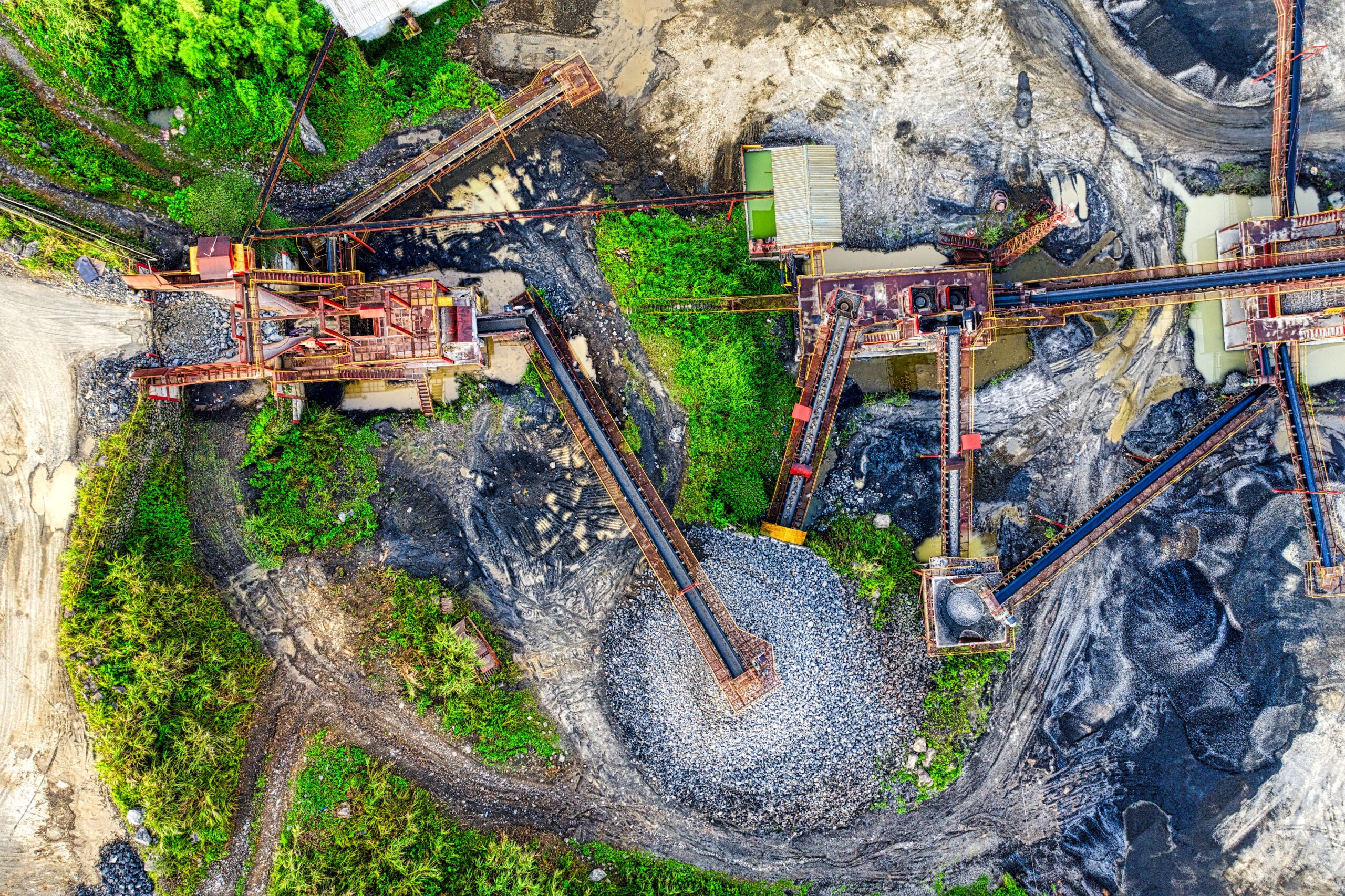
Land use change within modern cities reflects the structural transition from natural ecosystems to highly dense human settlements. As agricultural fields and native forests are systematically paved over, critical ecosystem services like water filtration and localized cooling are severely disrupted. Managing these spatial reconfigurations requires sophisticated urban planning frameworks that strike a fine balance between socioeconomic expansion and ecological preservation. By integrating green infrastructure into zoning models, cities can mitigate the adverse effects of expansion while cultivating climate resilience. Ultimately, analyzing these physical transitions helps communities redesign urban landscapes to coexist harmoniously with the natural environment.

Land Use Change in the Built Environment: Methods and Ecosystemic Research
In the context of the built environment, land use change represents the physical alteration of terrestrial surfaces driven by human engineering, urbanization, and industrial development. As cities expand, natural and semi-natural landscapes are systematically converted into gray infrastructure, profoundly altering the surrounding ecological matrix. To address the negative externalities of this transition—such as the creation of urban heat islands, severe biodiversity loss, and altered hydrological cycles—ecosystemic research increasingly focuses on steering land use transitions toward sustainable, adaptive paradigms.
Methods for Assessing and Managing Land Use Change
Ecosystemic research utilizes multi-scalar methodologies to monitor, model, and mitigate the impacts of land use modifications. Key methodologies applied within urban planning and landscape architecture include:
- Spatial Modeling and Remote Sensing: Utilizing satellite imagery and geographic information systems (GIS) to track the conversion of pervious surfaces to impervious surfaces. Predictive models simulate future urban growth patterns, allowing planners to identify areas where gray expansion threatens critical ecological corridors.
- Ecosystem Services Valuation: Quantifying the functional loss incurred when a landscape is altered. By assigning ecological and socio-economic values to services like carbon sequestration, stormwater retention, and microclimate regulation, researchers provide actionable data to justify sustainable zoning laws.
- Strategic Green Infrastructure Integration: Designing deliberate land-use counter-measures, such as introducing urban greenways, re-wilding abandoned industrial zones, and enforcing urban growth boundaries. These interventions seek to maintain ecological connectivity amid expanding built environments.
Ecosystemic Research and Collaborative Networks
Mitigating the negative impacts of land use change requires translating high-level ecosystemic research into practical planning instruments. Open-access repositories and knowledge-sharing hubs, notably the European Commission-supported Oppla.eu platform, play a vital role in this translation. Oppla operates as a community marketplace and repository that aggregates case studies, toolkits, and empirical data regarding Nature-based Solutions (NbS).
Through these collaborative frameworks, researchers demonstrate how strategic land-use modifications—such as substituting asphalt with permeable pavements or constructing urban wetlands—can actively restore ecosystem functions lost to historic development. By examining case studies shared across these platforms, global municipalities can transition away from extractive land-use strategies toward circular urban metabolisms.
Furthermore, contemporary ecosystemic research emphasizes a transdisciplinary approach. Managing land use change successfully depends on aligning technological design with community engagement and social equity. Platforms like Oppla help ensure that nature-based transitions do not result in eco-gentrification but instead distribute ecological benefits equitably. By cross-referencing regional findings, developers and environmental scientists can collaborate to design dense, built environments that preserve, rather than deplete, foundational ecological assets.
References
O’Hogain, S., & McCarton, L. (2018). Nature-Based Solutions. A Technology Portfolio of Nature Based Solutions, 1–9. Springer International Publishing. https://doi.org/10.1007/978-3-319-73281-7_1
O’Sullivan, F., Mell, I., & Clement, S. (2020). Novel Solutions or Rebranded Approaches: Evaluating the Use of Nature-Based Solutions (NBS) in Europe. Frontiers in Sustainable Cities, 2. Frontiers Media SA. https://doi.org/10.3389/frsc.2020.572527