Sustainable Land Management in the Built Environment
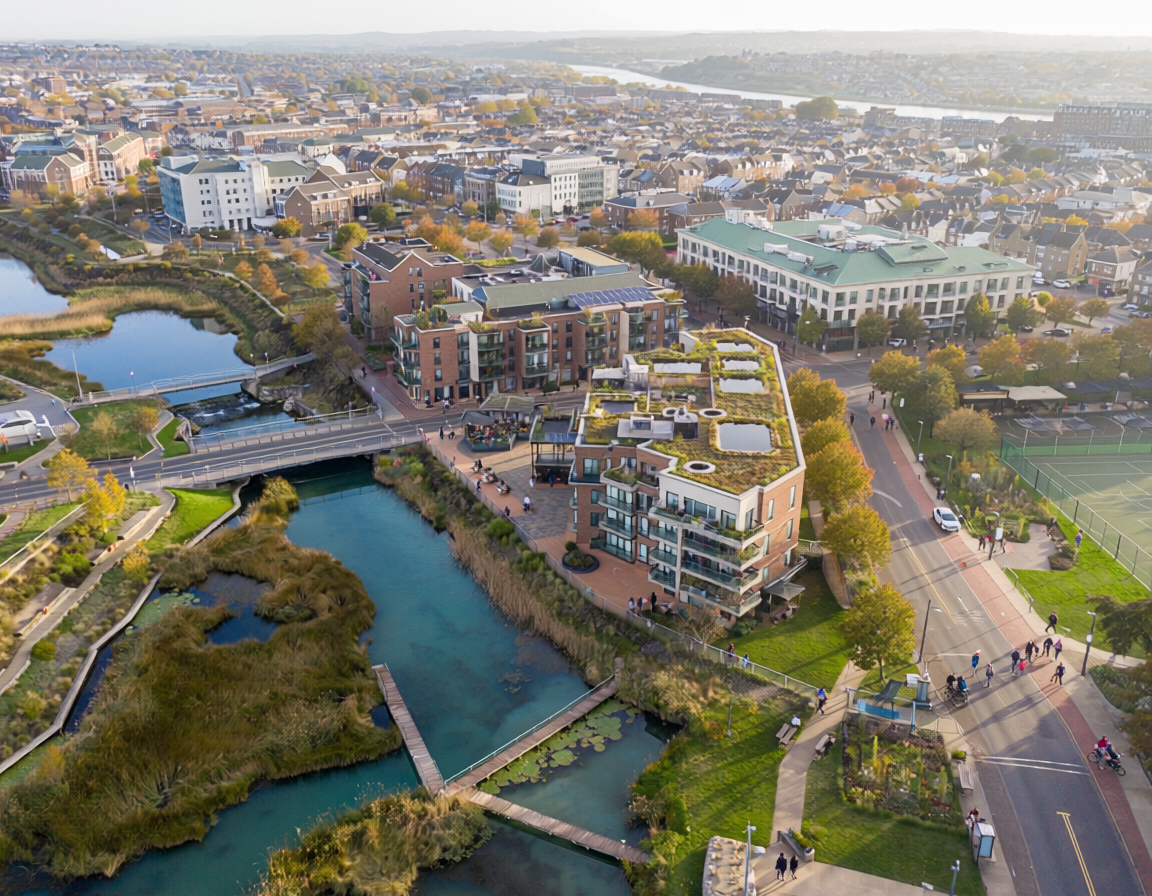
Sustainable Land Management (SLM) is a comprehensive approach to land utilization that harmonizes environmental conservation with human developmental needs. Within urban development, it balances the pressures of real estate and infrastructure expansion against the critical requirement to maintain functional ecosystem services. By prioritizing resource efficiency and the preservation of natural architecture, it transforms modern construction from a driver of landscape degradation into a catalyst for ecological health. Ultimately, this approach safeguards vital resources such as soil quality, clean water networks, and biodiversity corridors for future generations.
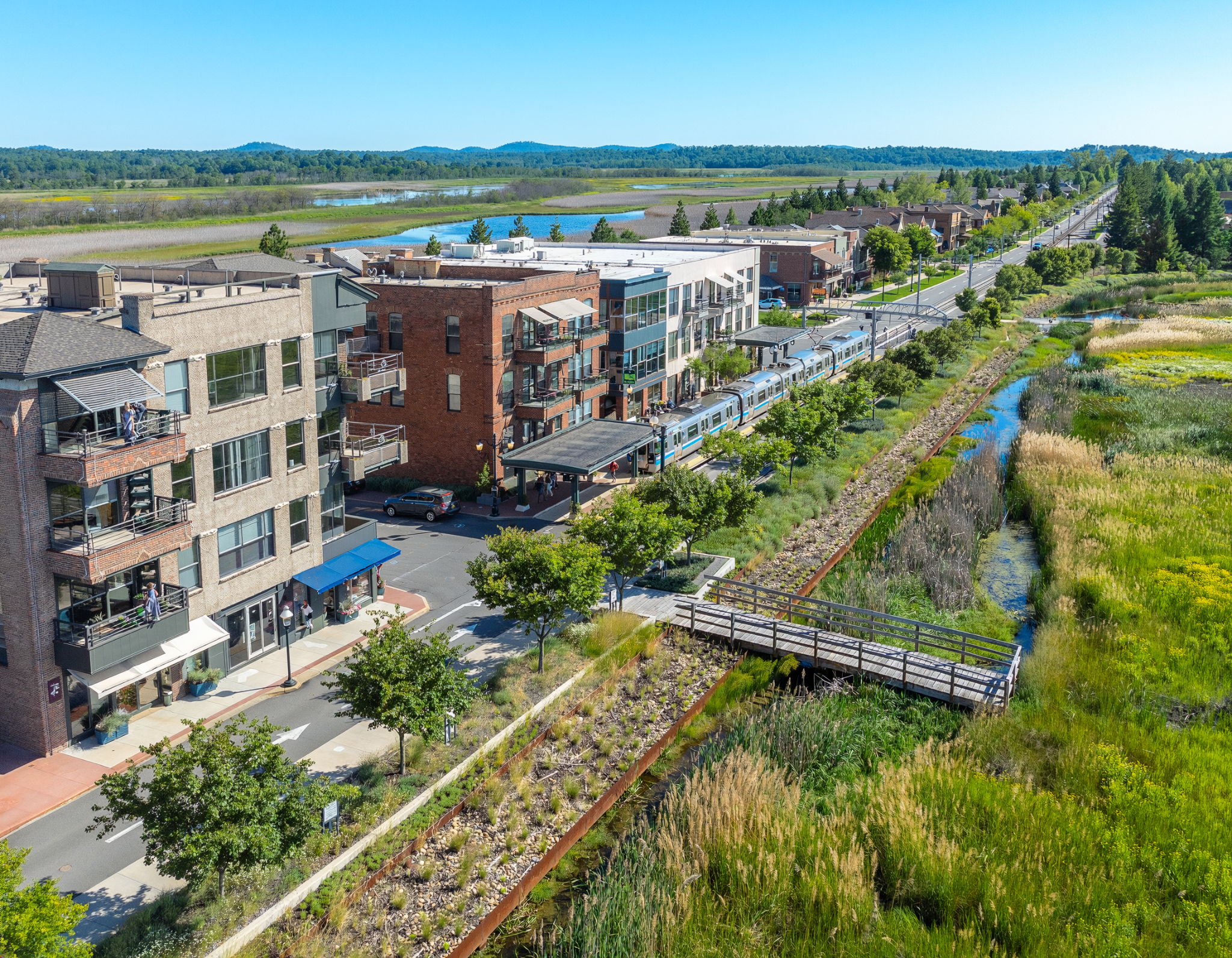
Sustainable Land Management (SLM) is historically rooted in agricultural soil conservation, but its modern definition has evolved significantly within urban development and spatial planning. In the context of the built environment, SLM acts as an operational framework to mitigate landscape fragmentation, counteract the effects of urban heat islands, and manage stormwater runoff through structural integration. Rather than treating construction and ecology as opposing forces, modern SLM methods treat the built environment as a hybrid socio-ecological system capable of generating net-positive ecological returns.
Analytical Methods and Ecosystemic Research
Transitioning from theoretical sustainability to practical construction engineering requires rigorous ecosystemic research and precise analytical tools. Key methodologies include Ecosystem Services Valuation (ESV) and Spatial Trade-off Analysis, which quantify the environmental and financial performance of various land-use configurations (Biasin, 2024).
Researchers utilize advanced computational modeling to evaluate how structural layouts alter local thermodynamics, hydrological retention, and connectivity for wildlife. This systemic perspective treats built infrastructure as part of an interconnected watershed and microclimate network rather than an isolated plot of real estate. By calculating the long-term economic and ecological benefits of natural land functions—such as carbon storage, ambient cooling, and natural water purification—planners can justify moving away from traditional, resource-intensive “grey” infrastructure (O’Hogain & McCarton, 2018).
Structural Applications: Nature-Based Solutions (NbS)
At the regional and municipal level, SLM is implemented through Nature-Based Solutions (NbS), which introduce biological processes directly into architectural designs (O’Hogain & McCarton, 2018). These interventions span multiple spatial scales:
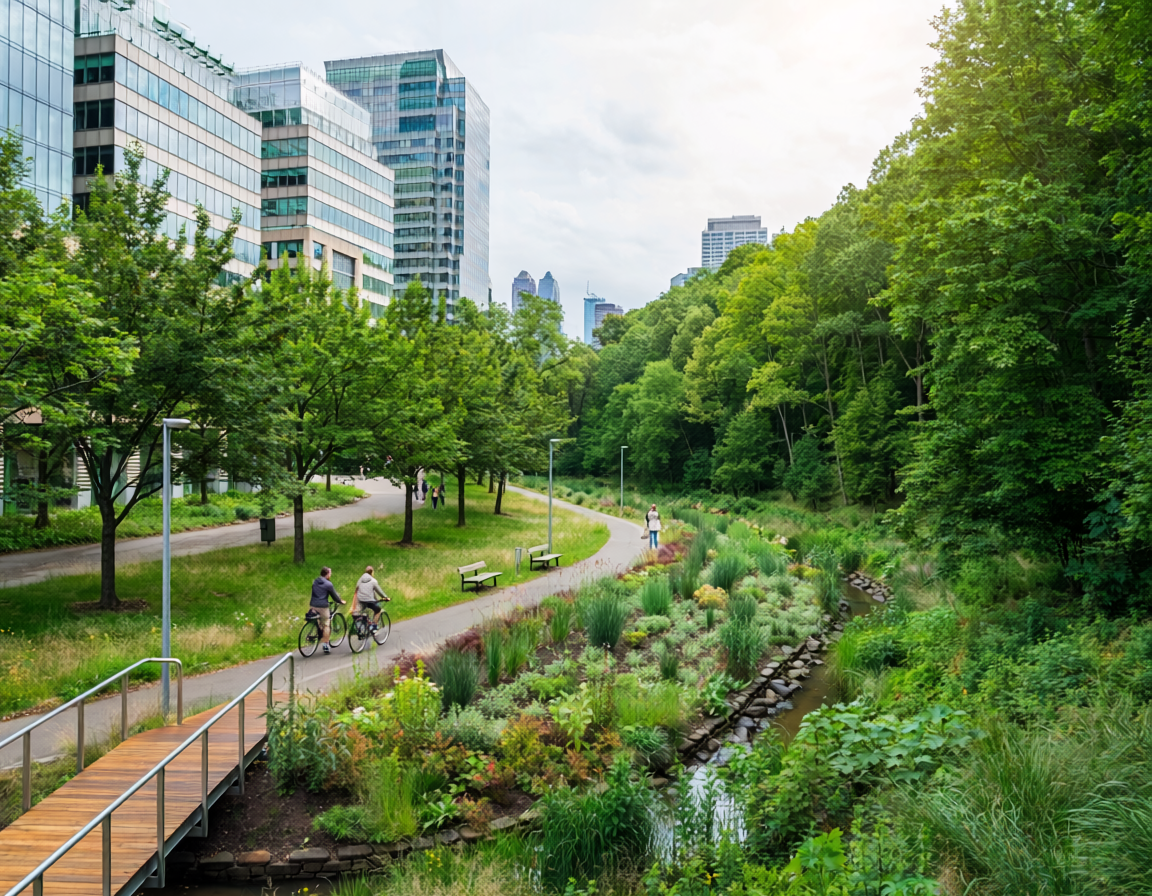
- Macro-scale: Establishing regional biodiversity corridors, continuous urban greenways, and managed wetlands to handle large-scale flood mitigation (Conitz et al., 2021).
- Micro-scale: Integrating permeable pavements, localized rain gardens, green walls, and extensive living roofs directly into building footprints.
These methods replace traditional concrete drainage networks with natural, living systems. For example, porous surfaces and bioretention cells allow stormwater to filter back into underlying aquifers naturally, reducing peak runoff volumes and protecting local waterways from urban pollutants.
Digital Knowledge Platforms: The Role of Oppla
A major obstacle to the widespread adoption of sustainable land management is the gap between academic research and urban planning practice (Voskamp et al., 2021). Repository and collaborative ecosystems like the Oppla Platform bridge this gap by functioning as centralized knowledge hubs for Nature-Based Solutions and ecosystem approaches.
Supported by the European Commission, Oppla compiles case studies, performance metrics, and implementation tools from major international research initiatives (Voskamp et al., 2021). This open-access repository allows municipal authorities, landscape architects, and civil engineers to access validated empirical data regarding the performance, cost-efficiency, and maintenance requirements of various green infrastructure setups. By providing access to crowdsourced expertise and proven design specifications, these platforms reduce technical uncertainty and give decision-makers the evidence needed to incorporate sustainable land design principles into mainstream zoning codes and development projects (Calliari et al., 2022).
References
- Biasin, A. (2024). Nature-based Solutions for urban sustainability in Europe: ecosystem services valuation and private finance leveraging (Doctoral dissertation, Università degli Studi di Padova). https://www.research.unipd.it/bitstream/11577/3515668/2/Tesi%20PHD%20definitiva_BIASIN%20ANNA.pdf
- Calliari, E., Castellari, S., Davis, M., Linnerooth-Bayer, J., Martin, J., Mysiak, J., Pastor, T., Ramieri, E., Scolobig, A., Sterk, M., Veerkamp, C., Wendling, L., & Zandersen, M. (2022). Building climate resilience through nature-based solutions in Europe: A review of enabling knowledge, finance and governance frameworks. Climate Risk Management, 37, 100450. https://doi.org/10.1016/j.crm.2022.100450
- Cited by: 157
- Conitz, F., Zingraff-Hamed, A., Lupp, G., & Pauleit, S. (2021). Non-Structural Flood Management in European Rural Mountain Areas—Are Scientists Supporting Implementation? Hydrology, 8(4), 167. https://doi.org/10.3390/hydrology8040167
- Cited by: 30
- O’Hogain, S., & McCarton, L. (2018). Nature-Based Solutions. A Technology Portfolio of Nature Based Solutions, 1-9. Springer International Publishing. https://doi.org/10.1007/978-3-319-73281-7_1
- Cited by: 180
- Voskamp, I. M., de Luca, C., Polo-Ballinas, M. B., Hulsman, H., & Brolsma, R. (2021). Nature-Based Solutions Tools for Planning Urban Climate Adaptation: State of the Art. Sustainability, 13(11), 6381. https://doi.org/10.3390/su13116381
- Cited by: 99